
Golf in Ireland

Translated by AI
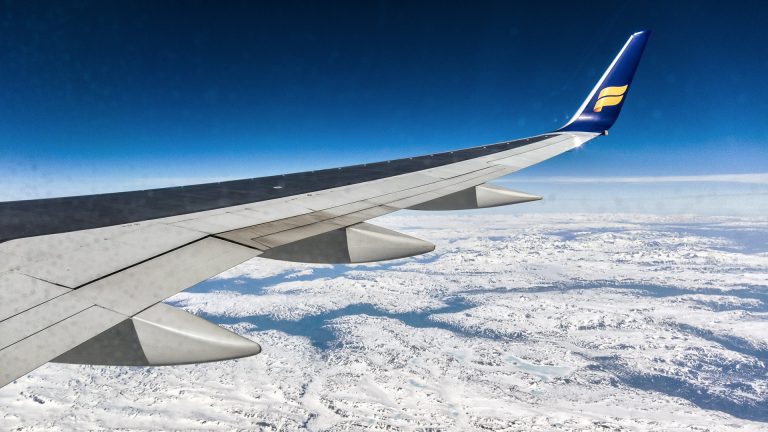
I’m sitting on a plane looking out of the window, and I think: it is so fabulously beautiful and wonderfully green down there, and I finally understand why the Irish claim there are a thousand shades of green. There ARE, but you simply have to see the Emerald Isle for yourself to understand.
You could say that Ireland is a country whose people are shaped by folk music, clattering Riverdance and foaming pints. And it’s true that people should be at the center when you describe a country. Yet it is the landscape, the utterly captivating countryside, that leaves the strongest mark on my memory as the plane home lifts off from Dublin Airport.
The lush fields and deep green woods down below stretch all the way to the miles-long sandy beaches where the Atlantic waves come foaming in.
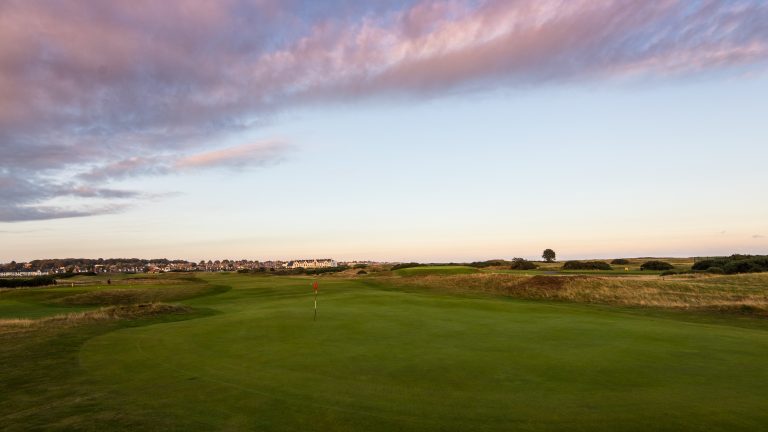
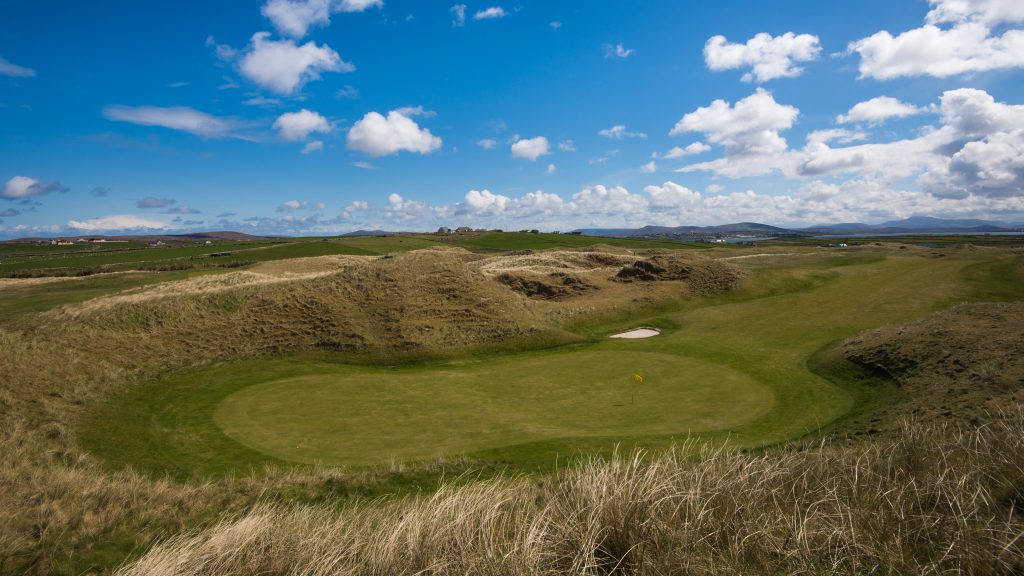
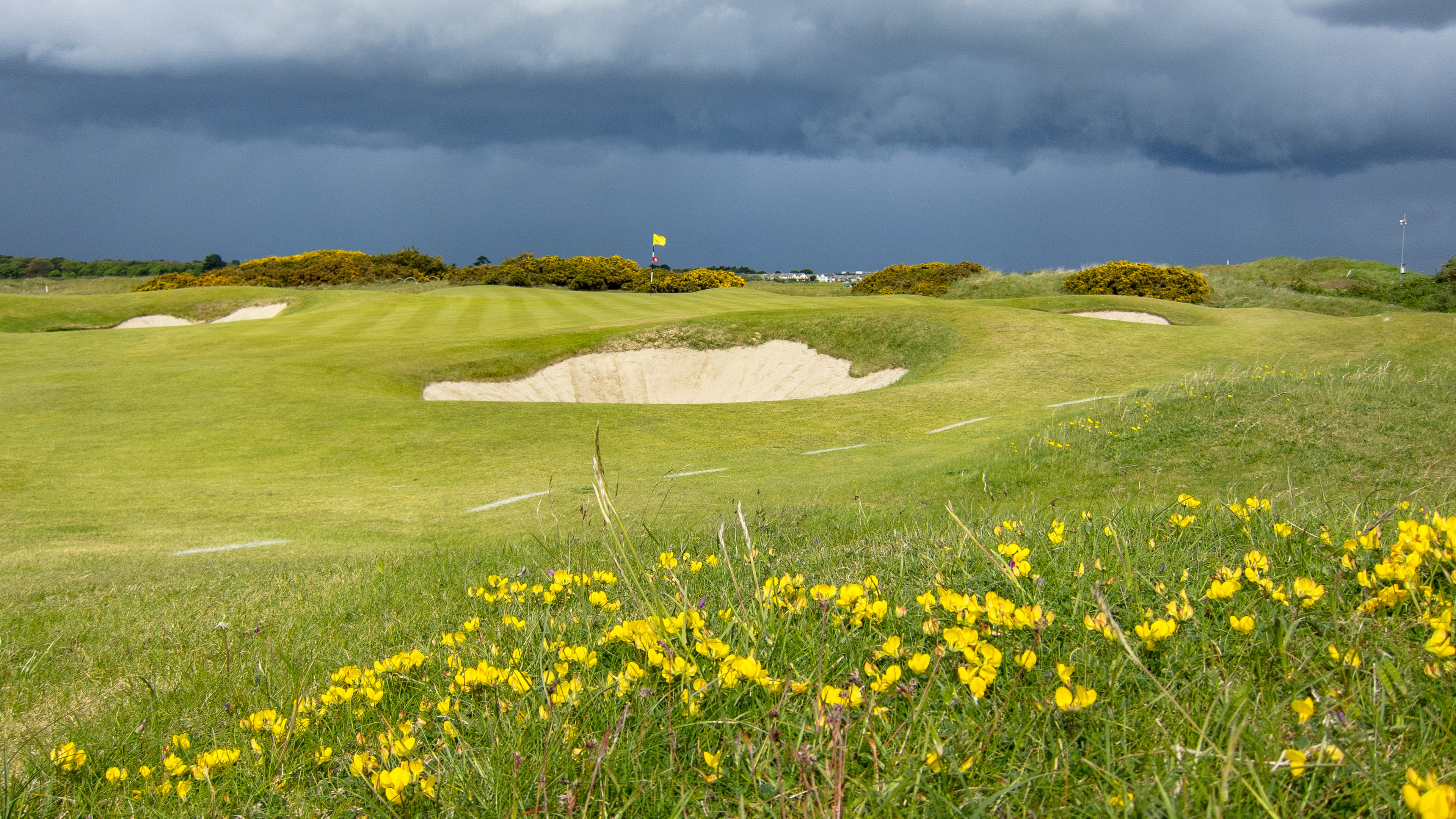
No wonder golf has one of its strongest footholds in the world right here. More than 400 courses fit into the Republic of Ireland, an island state of only about 70,000 square kilometers (27,000 square miles). More than one in three of the world’s links courses are here, plus some of the best parkland courses on the planet. The country’s four and a half million inhabitants have every chance to get their fill of golf.
Some of the greatest golfers of all time have come here as course architects to design the most fantastic golf facilities imaginable. And I mean compared with the “wonders” in, say, China, the US or the Arab world. Among them are Jack Nicklaus, Arnold Palmer, Greg Norman, Bernhard Langer and Nick Faldo, and architects such as Robert Trent Jones and Peter McEvoy.
But the greatest of them all was Eddie Hackett, who died in 1996 at the age of 86. A native Irishman, he designed more than a hundred courses before he put down his pencil. Among the most famous are Connemara, Carne, Dooks and Donegal.

Golf has grown in the shadow of dramatic political events. It was not until 1922 that Ireland became an independent state (and a republic in 1949) after hundreds of years of British dominance. The country developed into a producer of high technology, which in turn helped pull Ireland into the violent international financial crisis of 2008. Both the EU and the International Monetary Fund gave large emergency loans to the country, which is still working hard to break free of the economic stranglehold.
But income from tourism is growing steadily, not least thanks to golf. Ireland benefits from the mild climate of the Gulf Stream, which brings mild winters and fairly cool summers. It often drizzles, and a completely cloudless day is a rare thing here. On the other hand, the rain passes quickly, swept along by the sea winds.
So it’s weather most golfers are fairly happy with. You can’t have everything…
A good starting point for a golf trip here is, of course, the capital, Dublin. Within half an hour’s drive of the city center there are some 60 courses to choose from, everything from championship courses by the sandy beaches of the Irish Sea to parkland courses with fantastic views of the Dublin Mountains.
If you have time to spare, take a few evening strolls around Dublin. The city center is easy to explore on foot, and restaurants and bars with live music, as well as traditional singalongs, are packed close together.
And if you tire of Dublin, it’s quick to move on to other parts of Ireland with more courses to discover. In the southeast, for example, you’ll find the world-famous Mount Juliet, St Helen’s Bay, Bunclody and Mount Wolseley. I mention the southeast in particular because the region boasts of being the sunniest part of the country.
But wherever you land in Ireland, good courses are never far away. Nor are small, delightful villages where you can stay at a bed and breakfast. You might choose Limerick in the west, nestled among castles and large park-like woodlands.
Limerick gave its name to the limerick, a five-line verse form that tends to be a little risqué.
Something to think about when you’re sitting in the pub in golf’s promised land with an after-golf pint, perhaps composing a limerick of your own. About Ireland.
This article by Bo Sjosten was originally published in Swedish on our sister site Golfjournalen.se. It has been translated by AI.