Gleneagles and the Ryder Cup

Translated by AI
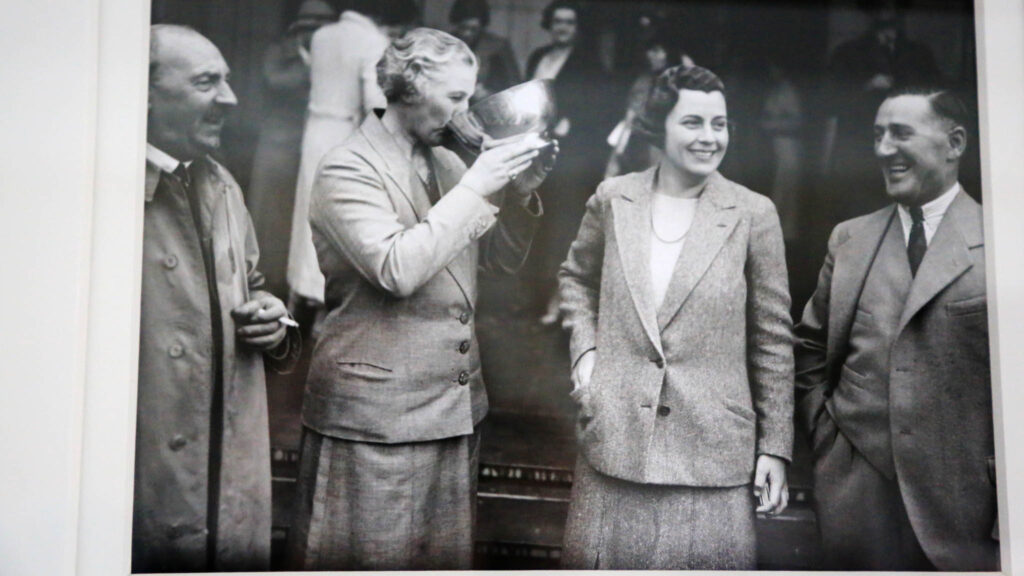
It’s been more than 40 years since the Ryder Cup was last held in Scotland. What not everyone knows is that the Ryder Cup grew out of a match played in 1921 at this year’s host, Gleneagles. Back then the hotel hadn’t been built, and the players had to stay in railway carriages.
It was the Caledonian Railway Company that developed the whole Gleneagles concept, to fill its trains with guests it could pamper in every possible way at a country resort, in a hotel it also owned.
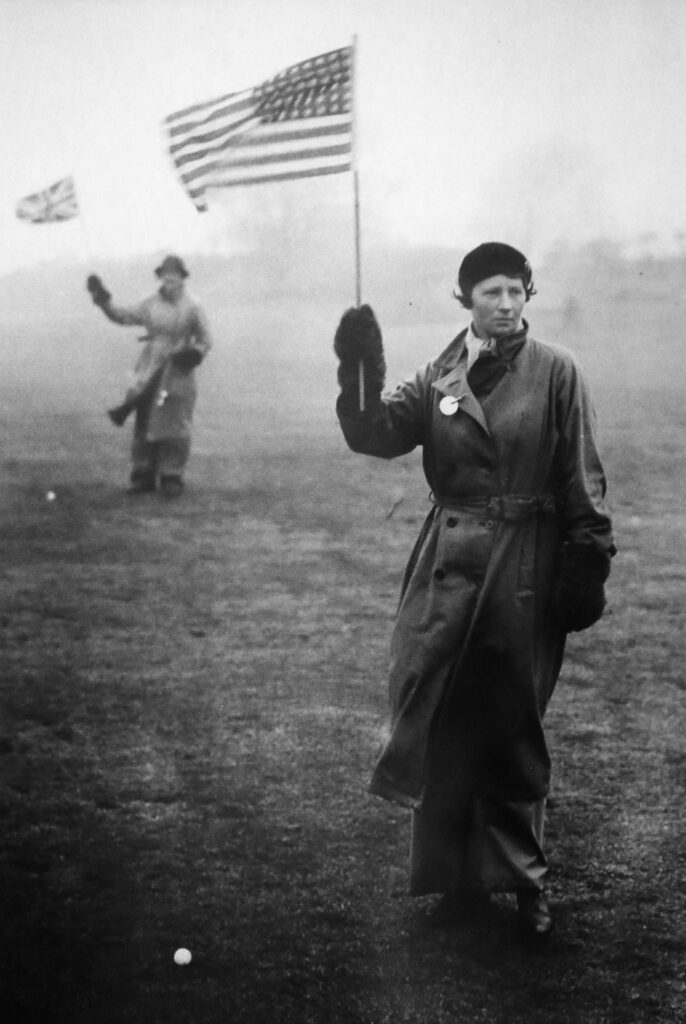
They built the course and Gleneagles Station first. To lure people there, the beautiful Perthshire landscape, the gateway to the Highlands, wasn’t enough on its own. Golf courses were a must. So they turned to the legendary Scottish golfer and golf architect James Braid, who laid out two courses: the King’s Course and the Queen’s Course. The King’s Course opened in 1919, and two years later the estate hosted the “International Challenge,” funded by the American magazine Golf Illustrated. It was the first time an American golf team had traveled to Britain to compete against a British team. Famous players such as Walter Hagen and Harry Vardon took part.
Ryder Cup history
This isn’t counted as a Ryder Cup. But it was where the Ryder Cup was born. Five years later, in 1926, there was a rematch of the International Challenge at Wentworth in England. Among the guests was a businessman from St Albans in England. He was so taken with it that he decided to buy a gold trophy, which he donated to the organizers. His name was Samuel Ryder. The rest is history. The first Ryder Cup match was played at Worcester Country Club in Massachusetts.
The Gleneagles Hotel was completed in 1924 and launched as “the Riviera in the Highlands” and “the eighth wonder of the world.” Both golf courses were of the very highest class.
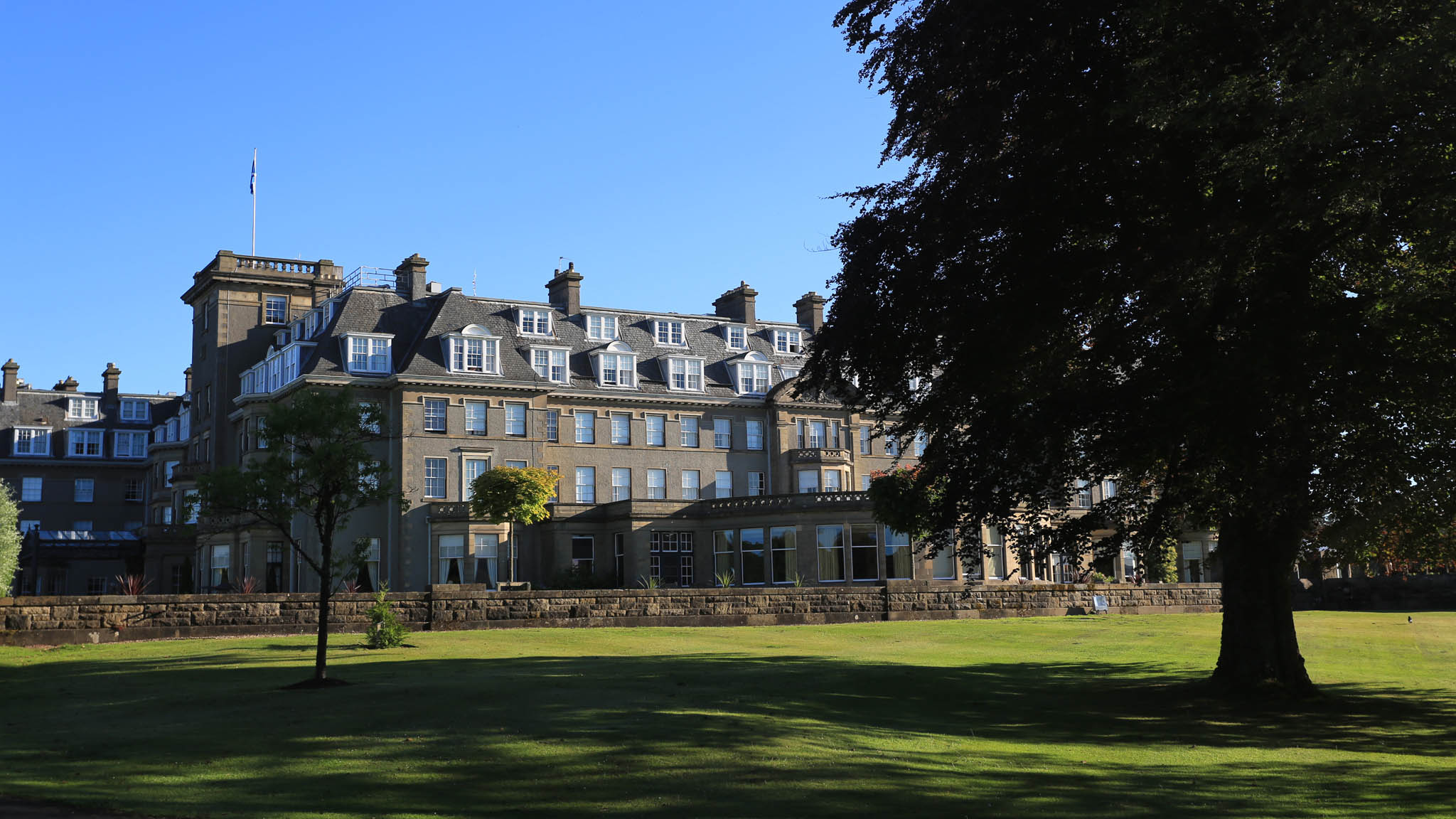
Over the years Gleneagles has hosted a number of major events, including the G8 summit in 2005, when George W. Bush, Vladimir Putin and others met to discuss the world’s problems.
And now there’s something even more important, at least through a golfer’s eyes: the Ryder Cup. But what kind of course will they play? The third one. Jack Nicklaus designed the course that opened in 1993 as the Monarch’s Course. It has always lived in the shadow of the two fantastic James Braid courses. The Monarch’s sits on flatter ground, which isn’t as well suited to fun golf holes as the hilly terrain further up the slope.
In 2001 the course was remodeled and renamed the PGA Centenary. For big tournaments it had two particular advantages: enough length to challenge today’s long-hitting pros, and plenty of room around the holes for spectators.
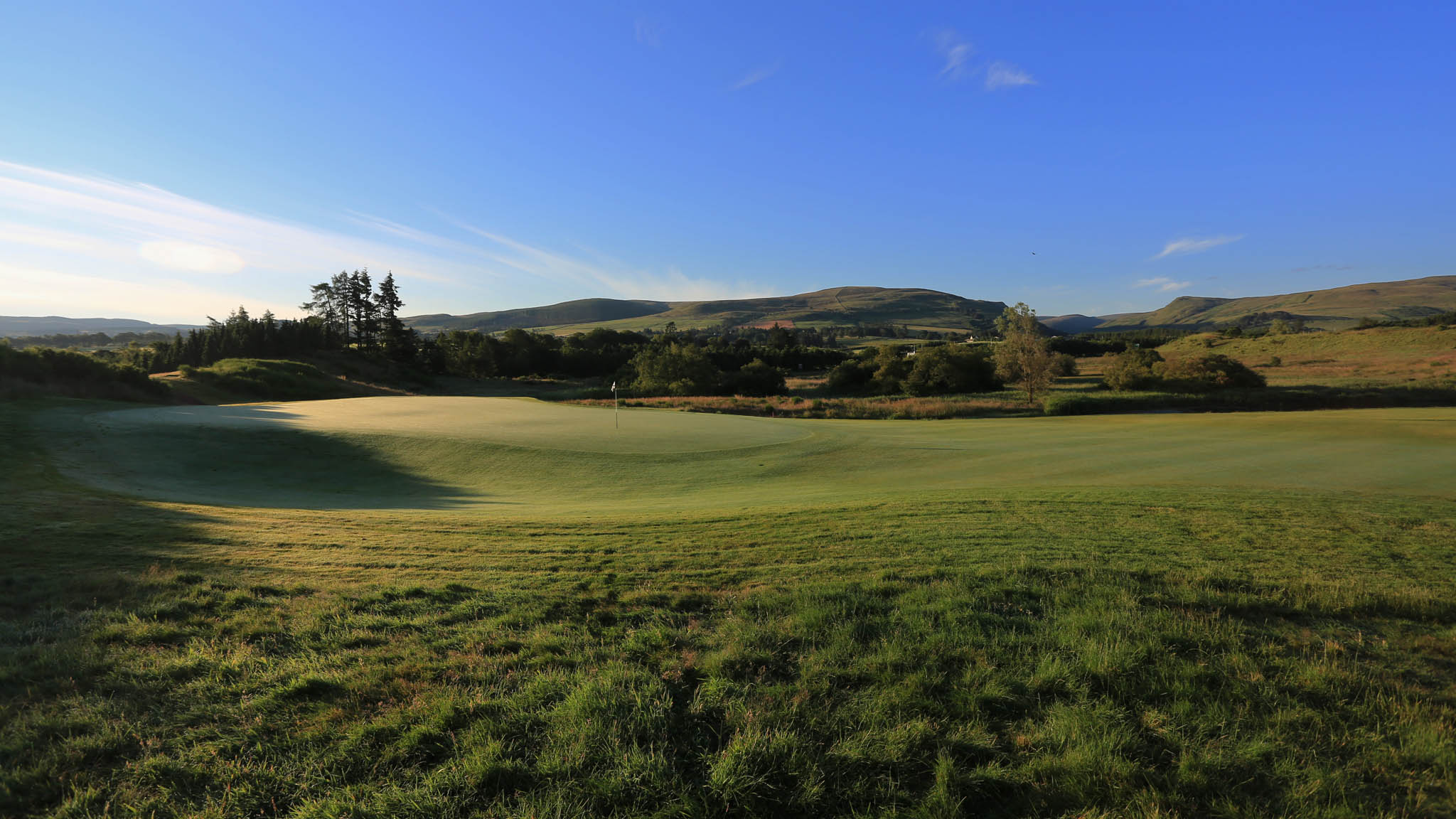
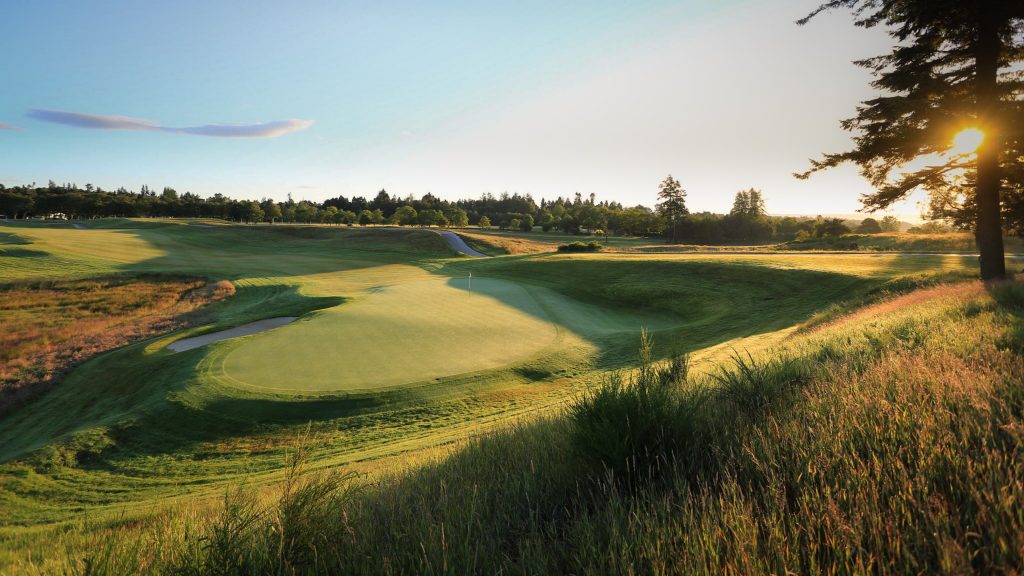
Now Nicklaus has also made a number of changes to the PGA Centenary Course to make it more exciting for match play. It now measures 6,671 meters (7,296 yards) from the back tees, which makes it the longest inland course in Scotland. It has five different water hazards and 84 bunkers.
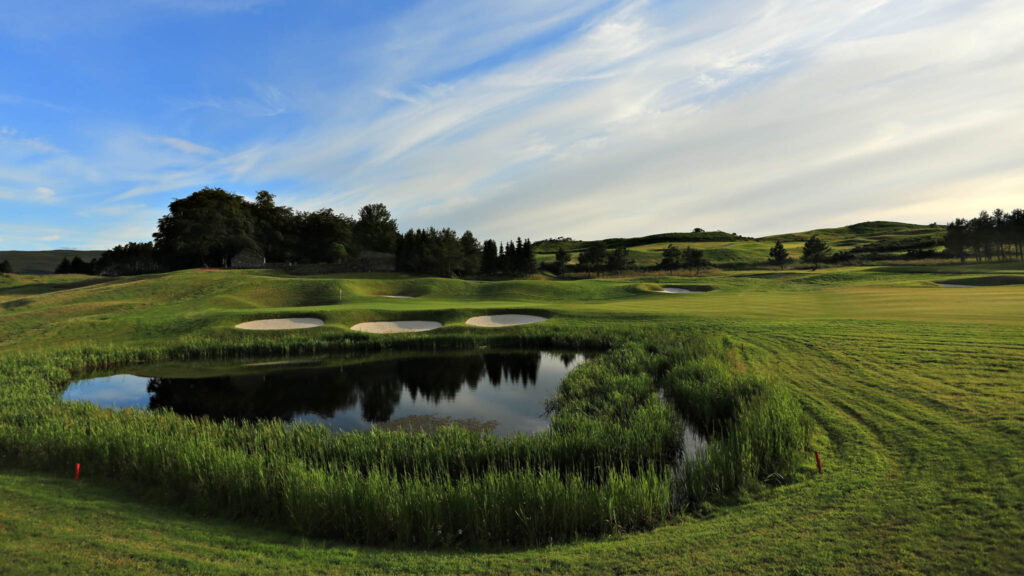
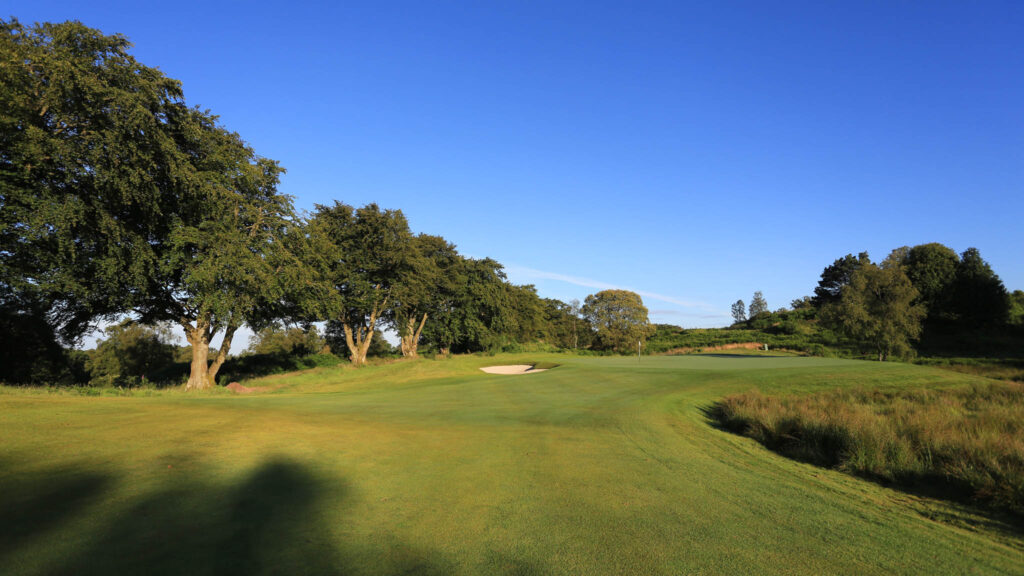
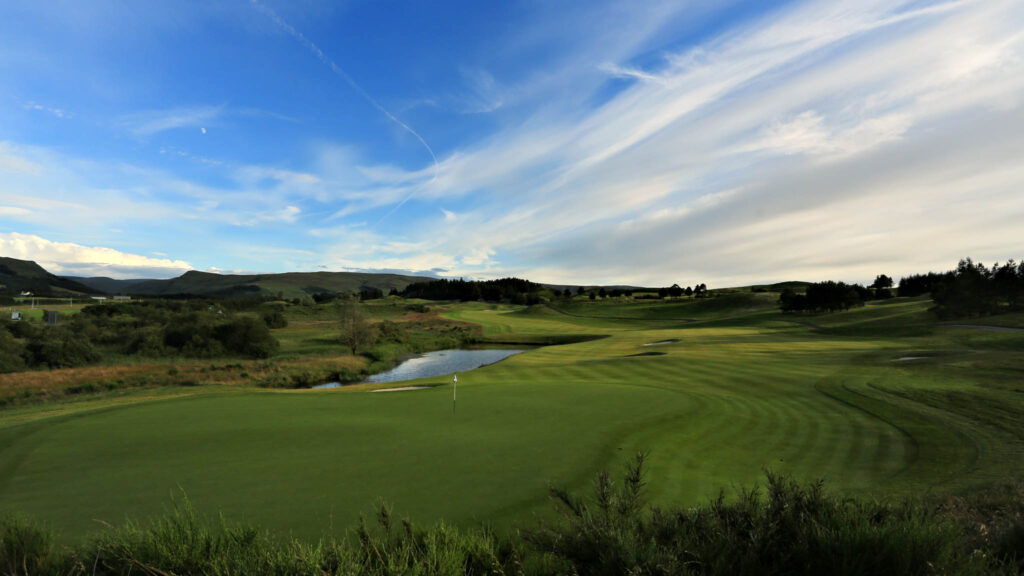
It’s the 18th hole (par 5) that has seen the most changes. The tee is 2.5 meters higher than before, so you see the fairway much better. The hole is 469 meters (513 yards) long. From 100 meters in, everything has been redone. The green is now protected by a bunker complex that will give the Ryder Cup crowds plenty of entertainment as the players try to get home in two.
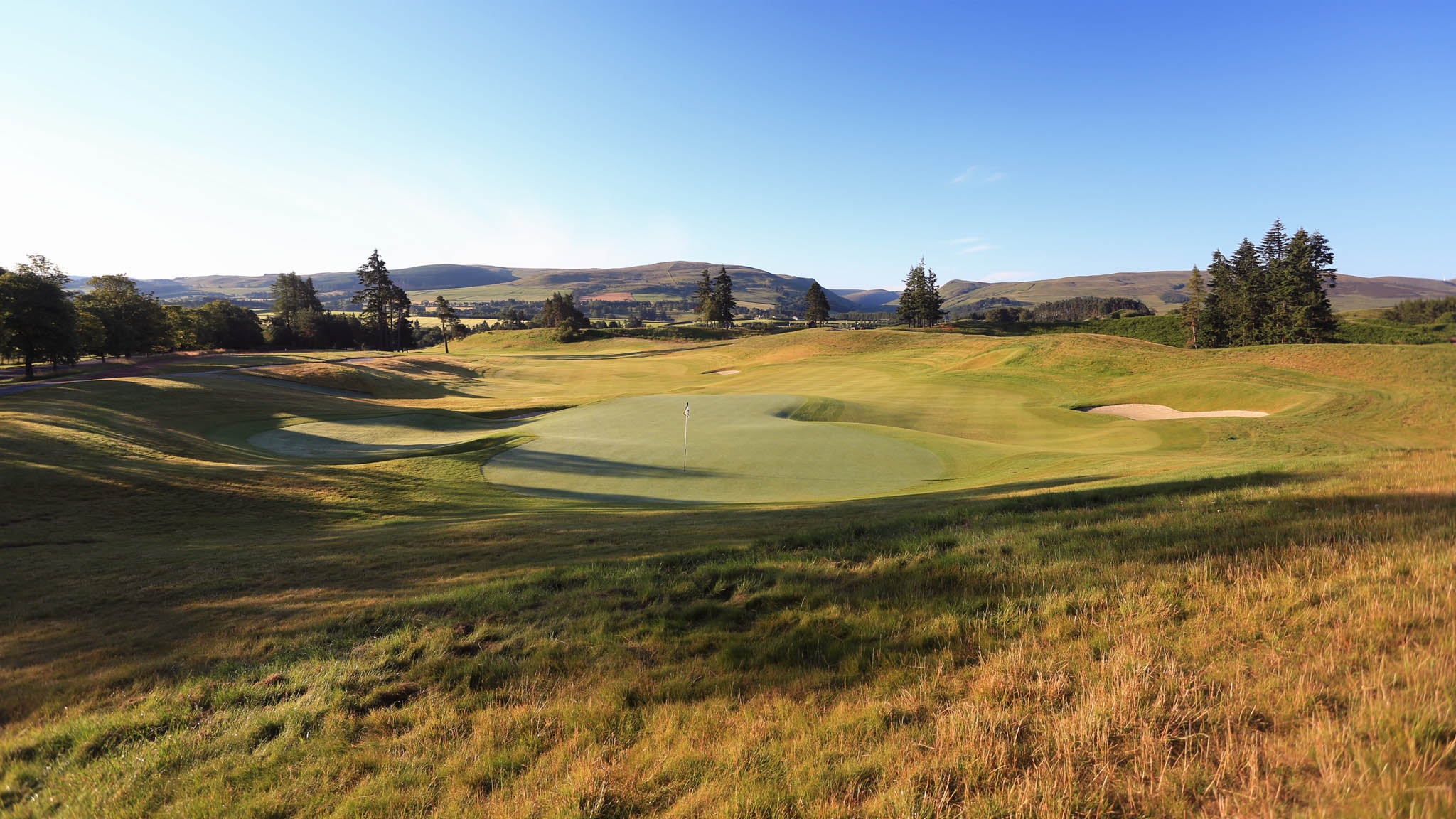
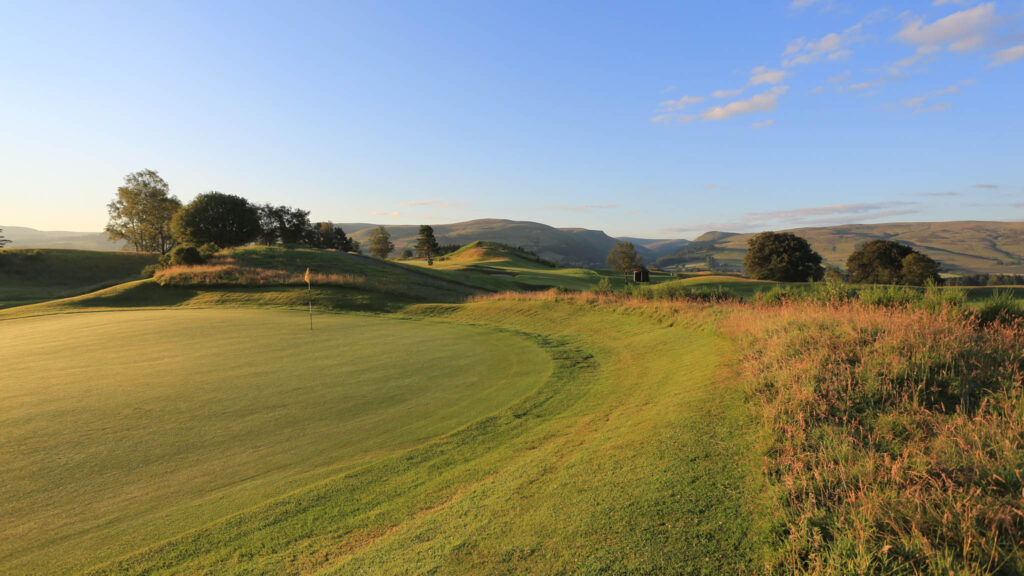
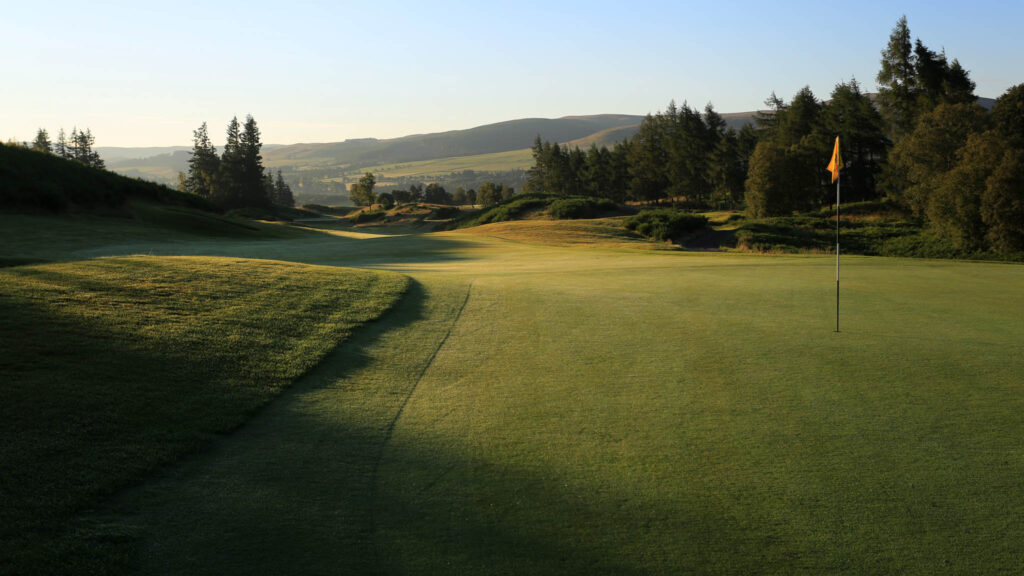
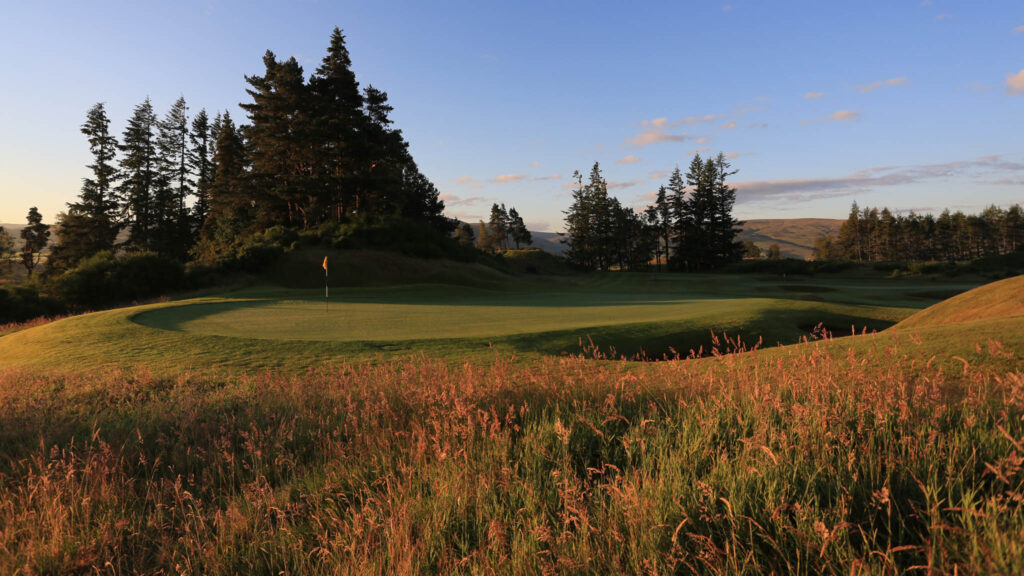
The PGA Centenary is today’s star, and “everyone” who visits Gleneagles wants to play it. But if you want to experience something really fun, make sure you play both the King’s Course and the Queen’s Course. You won’t regret it.
Links:
rydercup.com
This article by Kaia Means was originally published in Norwegian on our sister site Golfjournalen.no. It has been translated by AI.