Pärnu – Estonia’s Summer Capital and New Golf Mecca

Translated by AI
After a wonderful day on Saaremaa, we set off for the main destination of this trip, the town of Pärnu on Estonia’s south coast, and the new golf course just completed there. The drive from Saaremaa to Pärnu is short, less than two hours on good roads.
Pärnu, the summer town
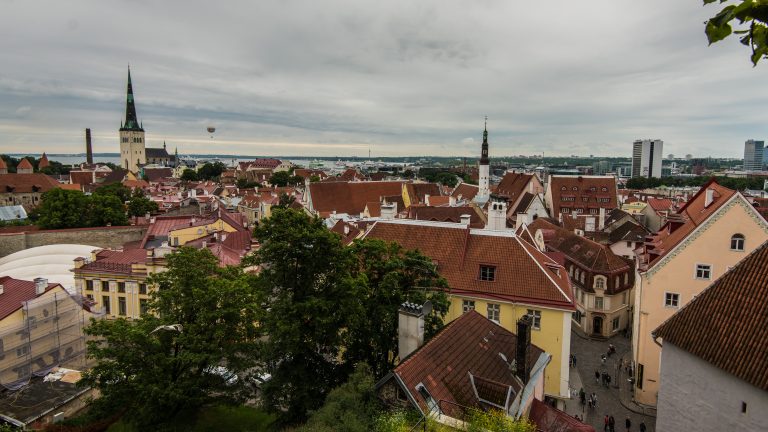
Pärnu is where you want to be seen in summer. It is Estonia’s “summer capital.” As we approach the town, we drive along the Pärnu River. Just before it reaches the sea, the river makes a sharp turn and runs parallel to the coast for a few kilometers, creating a small peninsula. That is where you find old Pärnu, with the old town, all the spas and the many Art Nouveau houses along avenues leading down to the wide beach of chalk-white sand. Pärnu is a romantic town where life drifts along at a leisurely pace, perfect for quiet afternoon strolls, perhaps a bike ride or a jog along the beach. It’s no coincidence that the town’s population grows tenfold in summer.
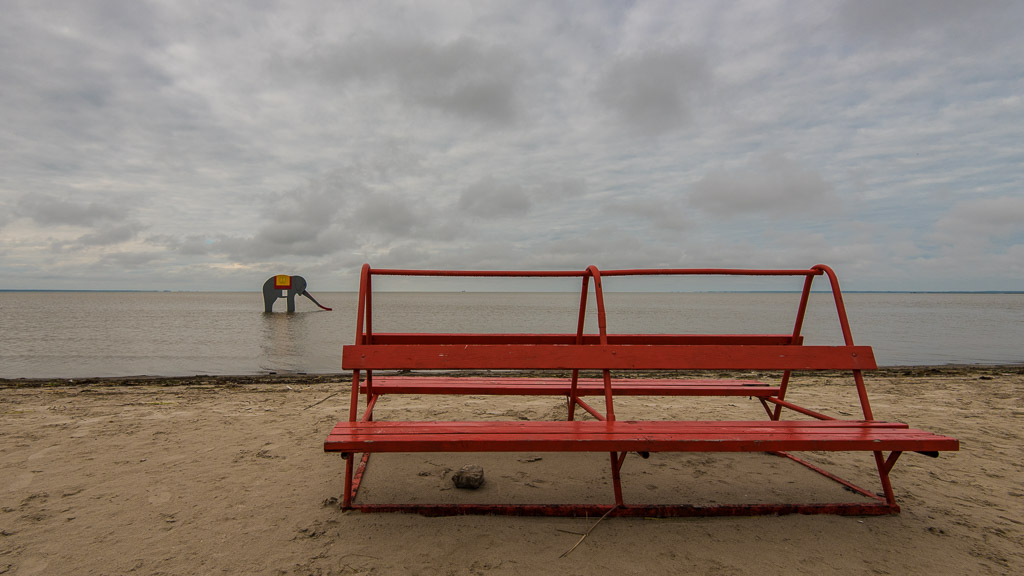
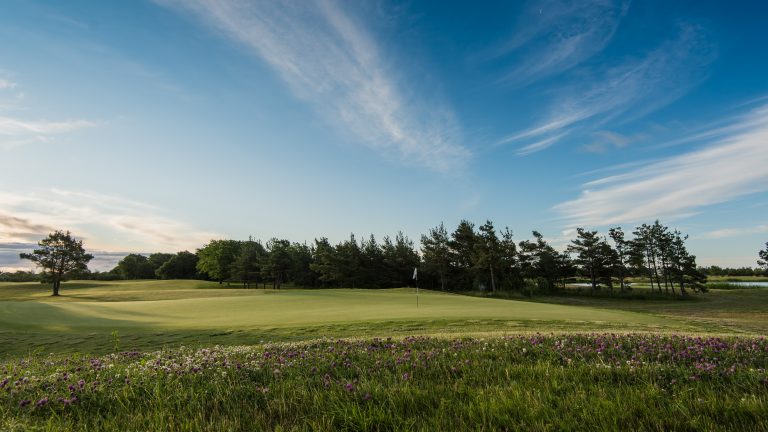
But golfers that we are, we can’t spend two weeks at a spa, however good it is (and they are really good). We have to play golf. There used to be just one golf course in Pärnu, but now there is another, and it’s good: Pärnu Bay Golf Links.
A long-running project
Pärnu Bay Golf Links has been in the works for almost ten years, with various starts and stops because of the financial crisis and other things. But now the long journey is over, and the course is ready for play. Almost ready. The clubhouse isn’t quite finished when we visit, but we were given the honor of playing the course anyway. A double honor, since we were the very first players on the course, and we also got to play with the course architect himself, Lassi Pekka Tilander. Not even he had played it before today.
The weather made things a little difficult. When we first arrived at the course, rain was pouring down with such force that not even hardened golfers like us could start. Since the clubhouse wasn’t finished, there was nowhere to change into rain gear, so we decided to wait.
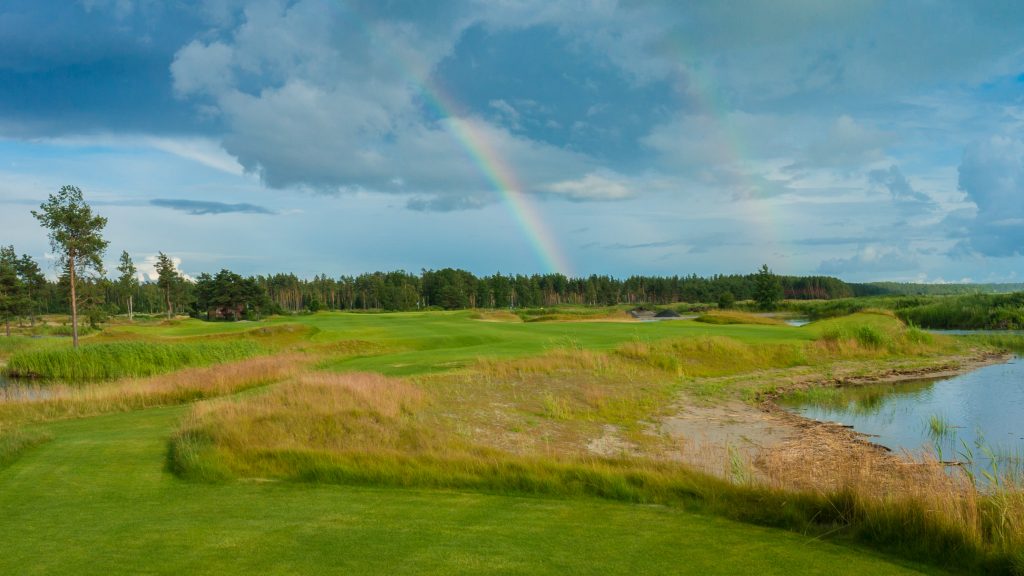
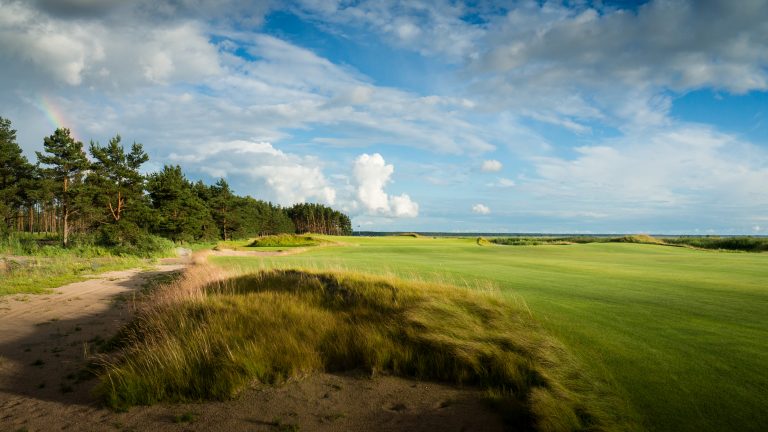
A couple of hours later the forecast said it would clear up, so we decided to head out. A little drizzle on the first hole, but then the rain stopped. We expected the course to be in poor shape after all that rain, but it wasn’t. A few small puddles on the fairways on the first holes (none on the greens), but then the water disappeared as if by magic. “It’s all because of the sandy subsoil,” Lassi explains. The land is made for a golf course. The whole course is built on sand, which means it is playable more or less all year round.
Sand, sand and more sand
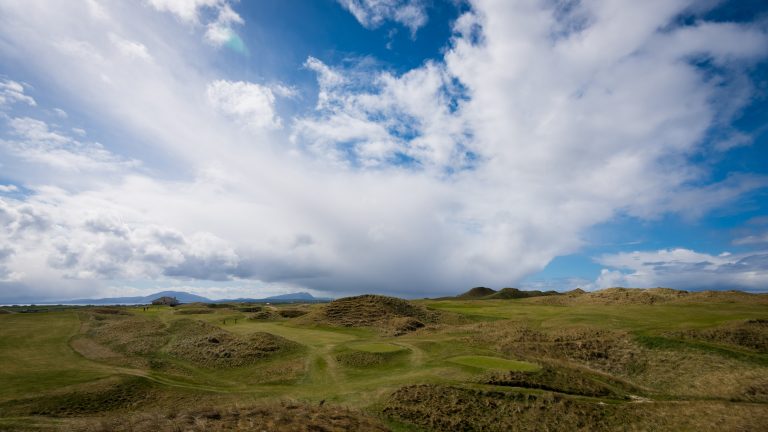
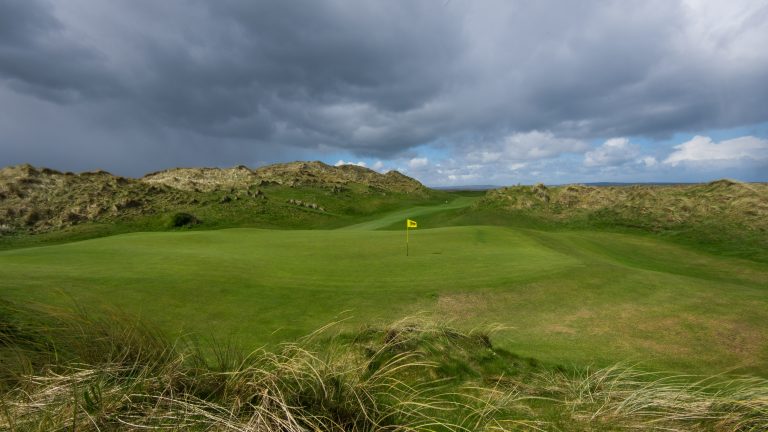
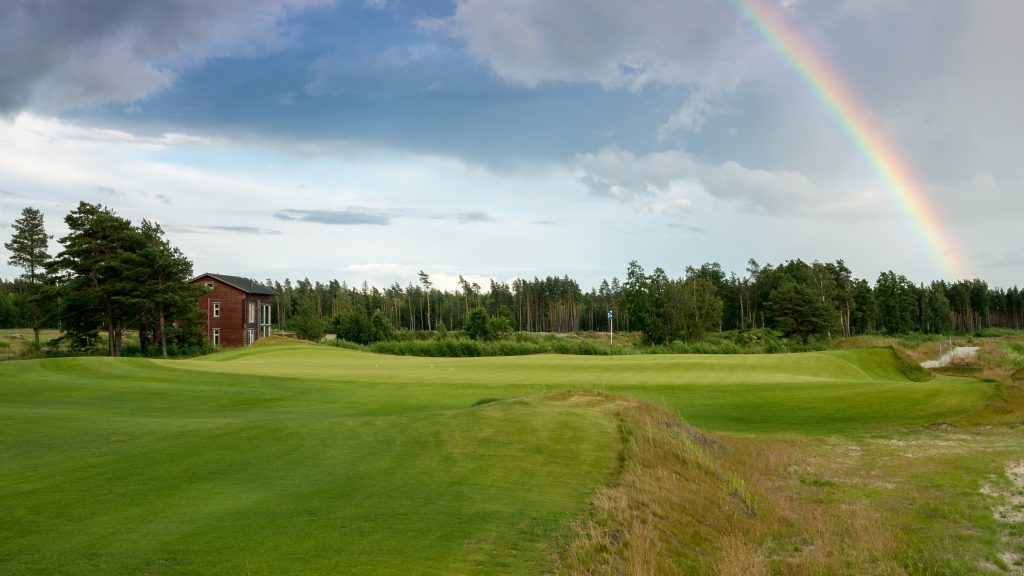
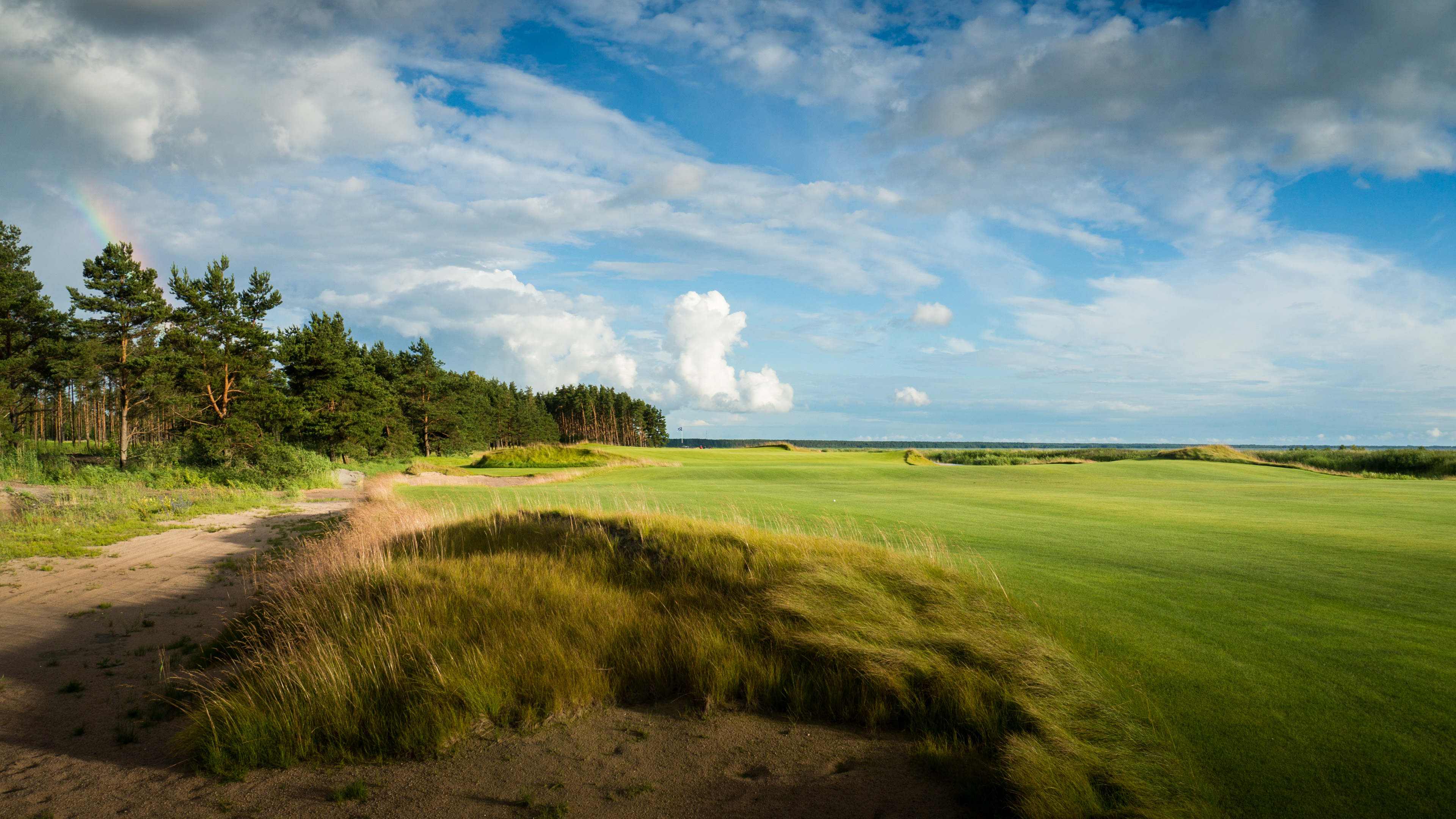
The terrain around the Gulf of Riga is fairly flat, and the fairways have been built with only small changes in elevation. The greens, on the other hand, are modern and heavily contoured, often with several tiers. They are also very well guarded by sand bunkers, built in links style with overhanging “beards.”
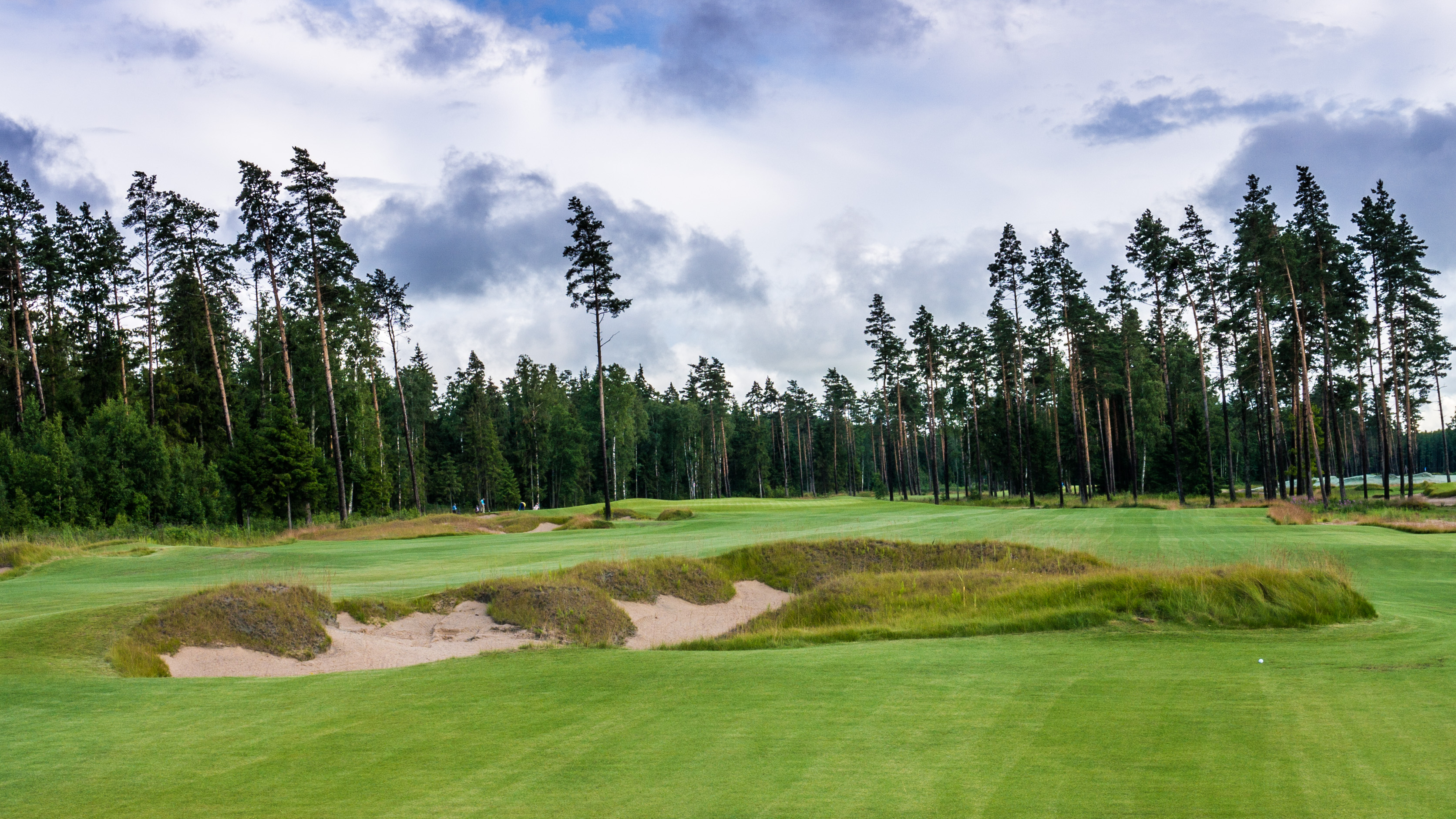
Although, to be really picky, the course has no bunkers at all, since all the sandy areas, and there are many, have been defined as “waste areas.” This means you can ground your club and take practice swings, and strictly speaking you don’t have to rake after yourself. But out of courtesy, of course, you should.
Tees wherever suits the day
Another feature of the course is that all fairways have just one cut. There is no second cut between the fairway and the rough. Many holes have rough on one side and gigantic sandy areas (“waste areas”) on the other. The rough is like what you find on links courses, so most of the time finding your ball is no problem at all. Another effect of having just one cut is that there are no defined tee boxes. That lets the greenkeeper place the tees wherever suits the conditions of the day. If conditions are perfect, he can move the tees back; if there are many high handicappers in a competition, they can be moved forward. A system that is sure to help speed up play, even when conditions are tough.
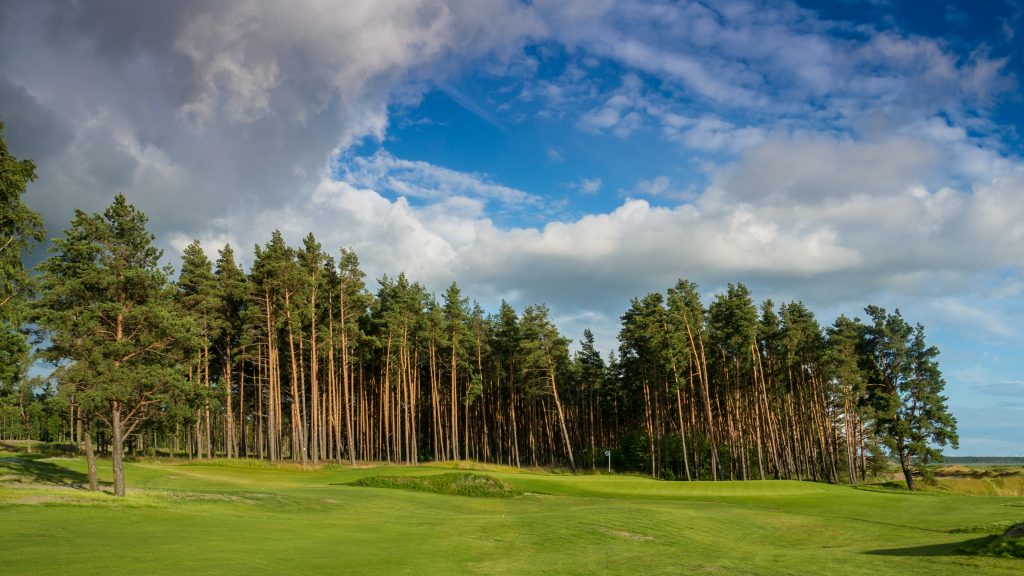
The course runs back and forth along the edge of the forest, with a good mix of par 3s, 4s and 5s. Most holes look easy from the tee, but fairway bunkers and large sandy areas are in play on most of them and drastically narrow your options if you want to take the hole on. With the freedom to move the tees, the course can be set up to suit every player, whatever their ability.
A links feel on the closing holes
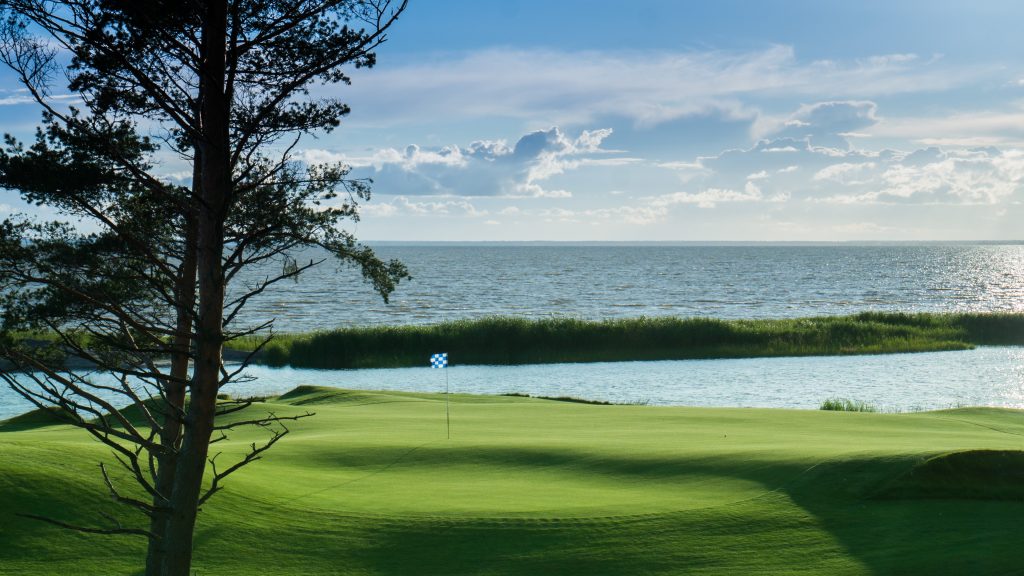
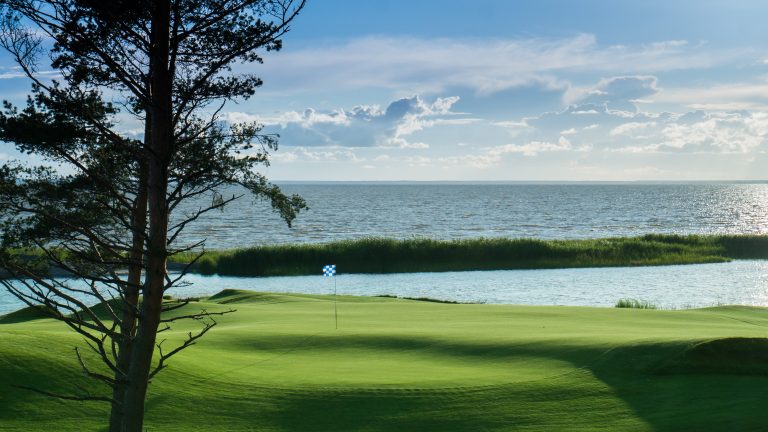
The course finishes with a beautiful stretch of holes along the shore of the Gulf of Riga. The 14th, a par 3, takes you out to the coast, and holes 15 to 18 then run along the beach, with pine forest on the other side. This part of the course faces south, with sun all day and a beautiful sunset to end the round. A perfect way to finish the golf day.
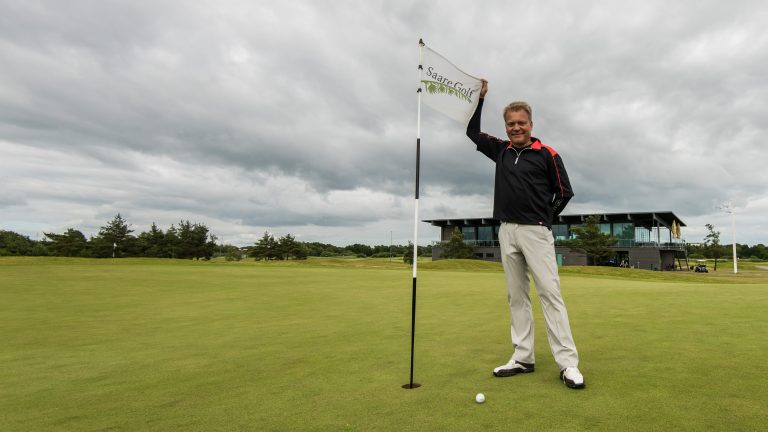
The clubhouse is next to the 18th green, overlooking the Gulf of Riga. Downstairs are the pro shop and locker rooms, and upstairs the restaurant and bar. A terrace runs all the way around the clubhouse, so you can enjoy the sun all day if you like.
After this taste, we can definitely recommend the course. One of the best, perhaps the very best, new courses in Europe.
Read our full review and the rating we gave the course ->
All articles from the Estonia trip
For more information about Pärnu and Estonia, visit www.visitestonia.com.
This article by Bo Sjosten was originally published in Swedish on our sister site Golfjournalen.se. It has been translated by AI.