Stockholm’s Best Golf Course

Translated by AI
Which is the best golf course in Stockholm? The answer has almost always been obvious, but it has changed over the years. We play the former “winners” to see how things stand today.
In the 1960s the obvious answer was Kungliga Drottningholms Golfklubb. When the course was planned in the mid-1950s, ambitions were sky-high. It was to be an international championship course, aiming to bring the great players of the day to Sweden. Sven Tumba, perhaps Sweden’s greatest golf ambassador of all time, even aimed to create a “fifth major” to be played at Drottningholm. A lofty goal that reflected the optimism of the time.
The great players did come to Drottningholm. In the 1970s for the Volvo Open, where Jack Nicklaus was among those who played. From the Volvo Open grew the SEO, the Scandinavian Enterprise Open, with golf icons such as Seve Ballesteros, Craig Stadler and Fred Couples among its winners. Drottningholms Golfklubb was Stockholm’s best golf course.
In the 1980s Drottningholm was still on top, but a new upstart was emerging. With Tumba leading the way, a new, modern course was built by Lake Ullna, just north of Stockholm. Once again royalty was involved, when Prince Bertil opened Ullna Golf Club in 1981. Drottningholm was now seen as a little too easy for the golf stars, and in the mid-80s the SEO moved to Ullna. The big stars of the day, such as Lee Trevino, Nick Faldo and Bernhard Langer, came to the tournament. They even managed a visit from an American president. The answer to the question “Stockholm’s best golf course” was obvious again: Ullna Golf Club.
Fast forward to the next millennium. Tiger Woods has burst onto the golf scene and changed the game forever. A new generation of athletic, long-hitting golfers is emerging in his footsteps. Many classic courses are now seen as easy pickings for these players, and new, even harder designs are on the drawing board.
In Stockholm, Björn Örås picks up the mantle. Örås has made a small fortune from the new trend of staffing agencies and now wants to build a golf course, but where? The choice falls on an old manor in Upplands-Bro. Örås buys the land and the manor from the cooperative KF and quickly renames the manor Bro Hof Slott (Bro Hof Castle), complete with a stylish new coat of arms. The land by Kvistbergsviken, on Lake Mälaren, is perfect for a golf resort. Örås spares no expense, laying a thick layer of sand on the farmland to create the perfect base and restoring the manor to live up to its new status as a castle.
The result is magnificent, a world-class golf facility, difficult enough to challenge the best of the best. The SEO is reborn as the Nordea Masters, and the new generation of young stars arrives. In 2016 Golf Digest ranks the course the best in the Nordic countries. Once again the answer is obvious: Bro Hof Slott Golf Club is Stockholm’s best golf course.
But meanwhile Ullna has been updated and Drottningholm redesigned. Have they caught up with Bro Hof? We set out to test them over a few warm, dry summer days.
Bro Hof Slott Golf Club
We start our test at the course many now take for granted as Stockholm’s best, Bro Hof Slott Golf Club.
The whole facility breathes quality; nothing seems to have been left to chance. Our first thought on arriving at the club is that if Donald Trump had built a golf course in Sweden, this would be it. And that’s meant as a compliment.
The restoration of the manor is brilliant; you could really believe it had always been a castle. The first thing you meet when you step inside is a reception that is more like a fine hotel than a golf club. At check-in you get a handy starter kit, complete with a bag and balls with the new coat of arms as the logo. The restaurant is also on the ground floor, again in classic style, with white tablecloths and fine china. The menu leaves nothing to be desired, of course. Opposite is the golf bar, well stocked and with décor reminiscent of English golf clubs. The restaurant and bar share the big terrace at the back, with a view, albeit from a distance, of the two finishing holes.
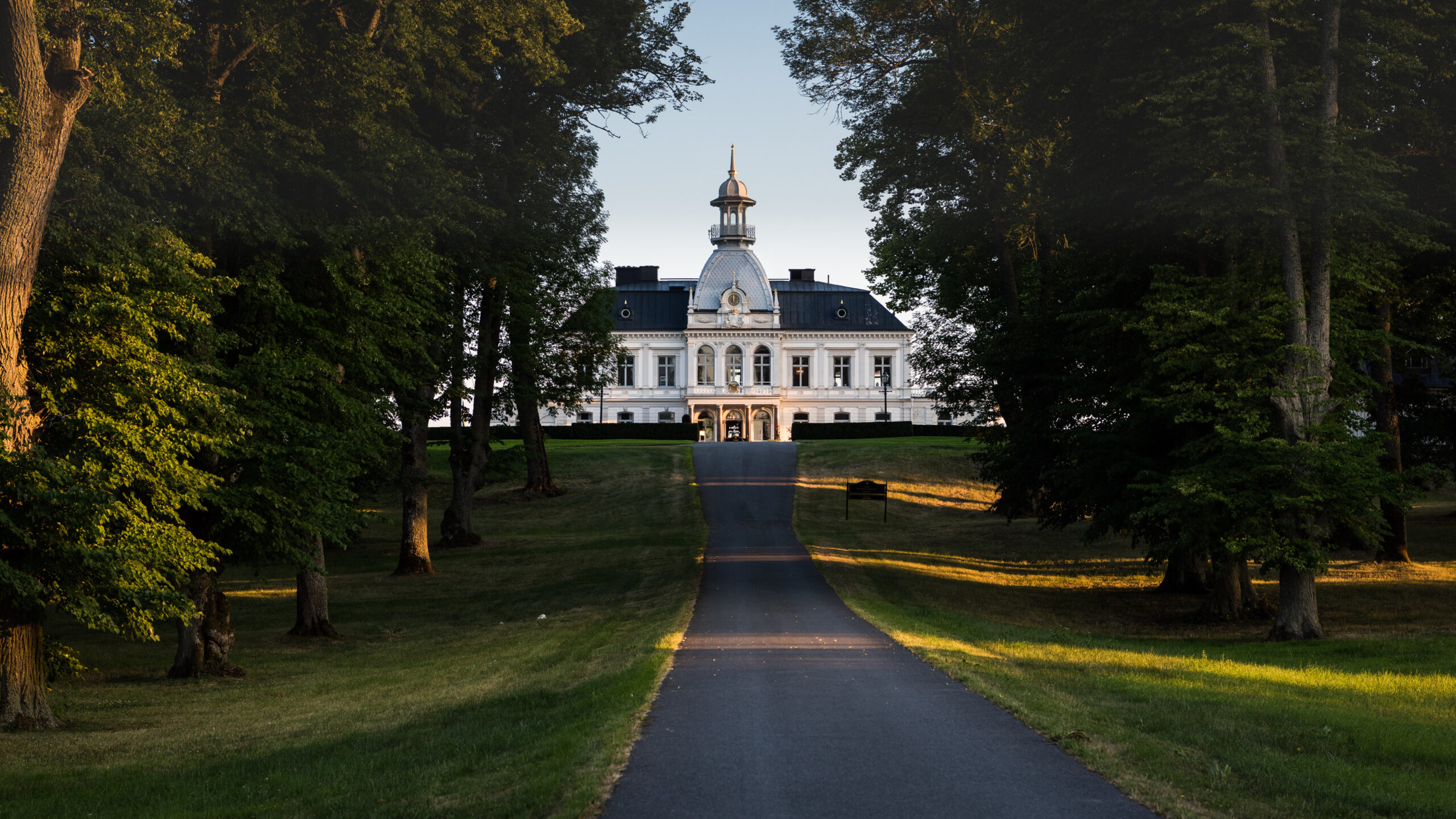
The castle inevitably makes a good first impression, but what we are most interested in is the course. Does it live up to its reputation?
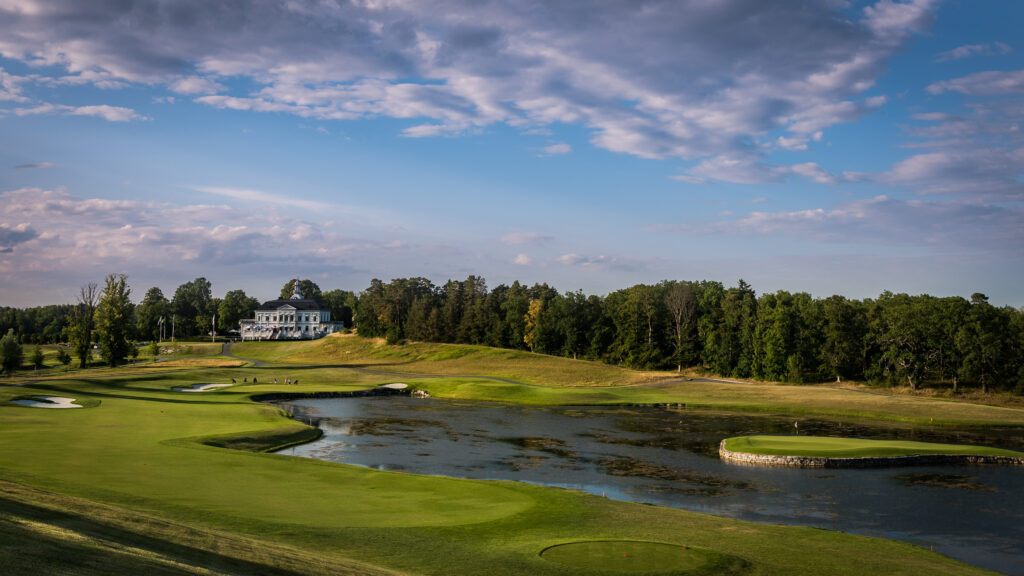
The first tee is on the same level as the castle, high above the course, with a view of many of the holes and Lake Mälaren. The first hole is a wide par 5, a good design that lets everyone get away without much trouble. Down on the fairway we are struck by how soft it is and by the high quality of the grass, even in this very dry summer. You can take a big divot without feeling much resistance at all.
At the green, the first thing we notice is the many run-off areas. The putting surfaces are very fast (13 on the Stimpmeter, we hear after the round) and contoured, and the green is well guarded by several modern bunkers. It quickly becomes obvious that the greens are a major factor in how difficult the course is.
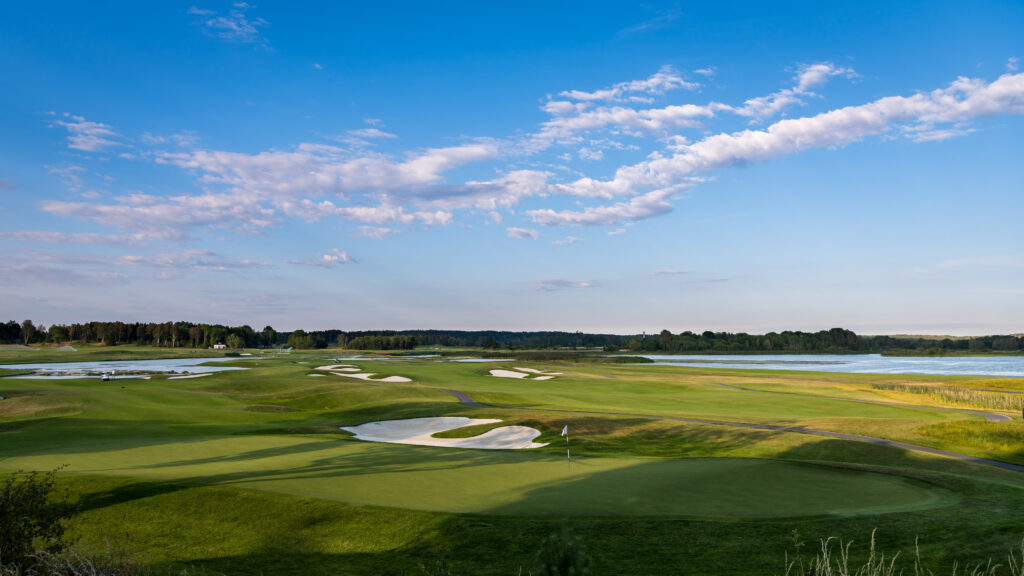
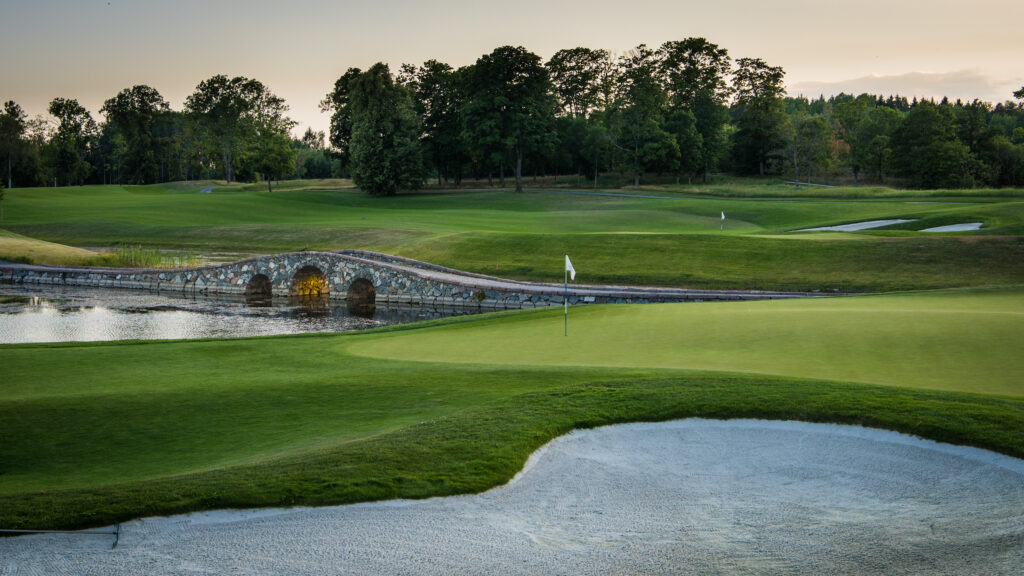
On the second hole, a par 4, we face a blind tee shot to a fairway that slopes to the right. The rough is thick and hard to get out of. Again the green is well guarded by bunkers and has severe slopes.
The course continues in the same spirit. After the 4th hole we come to the “kiosk” for the first time, more like a small café. A waffle would hit the spot, but it will have to wait. The café is strategically placed, and we will pass it no fewer than four times during the round.
The next holes take us away from Lake Mälaren and out into a mixed area of meadow and woodland. Only on the 9th do we play near the lake again.
The front nine had no easy holes, but the back nine is even harder, with water in play on almost every hole. Every hole is good, but the finish is something special; here the architect, Robert Trent Jones Jr., has really outdone himself.
It begins on the 15th, a dogleg left. The tee shot goes over water, and how far left you dare aim decides whether you have a chance of reaching the green in two. The green sits up on a point jutting into Lake Mälaren, guarded by a couple of bunkers. This is where tournaments start to be decided.
The 16th is a long par 3 along Lake Mälaren, with a green sloping down toward the water. A little too far left and the ball is wet. No easy putts on this hole.
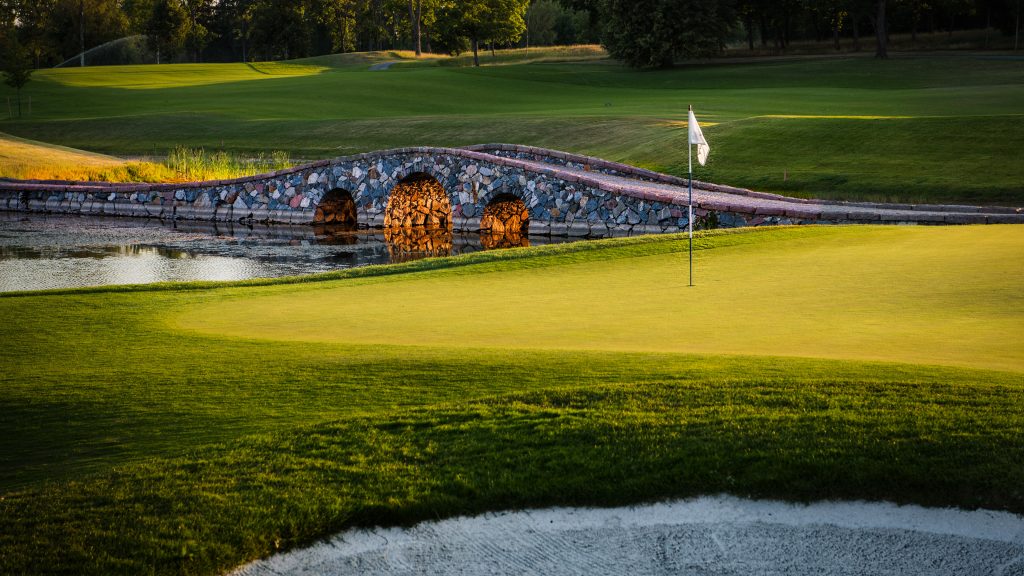
The 17th is the signature hole. We have now reached the stadium area below the clubhouse, designed to give the best possible golf experience for both players and big crowds. The green is on a small island, notoriously hard to hit, especially when the wind blows. Many top players have come to grief here. It should be mentioned that the club tee is in a completely different spot, with a much shorter shot. Still to a small island, though, so not easy.
The 18th is a par 4 played from Lake Mälaren back toward the clubhouse. Here, too, water is in play all along the right side. The whole setting of the last two holes is fantastic. Made for the crowds, and for keeping the excitement going to the very end.
We have a beer at the 19th hole and sum up the round as we catch our breath. The course is a real challenge even from the club tees. Very difficult greens, long holes and a juicy rough that’s hard to get out of make it tough for the average golfer. The better golfer who chose the white tees will probably need two beers after the round. The high handicapper, well, he or she should probably choose the other course here at Bro Hof Slott Golf Club, the Castle Course.
So is everything perfect at Bro Hof? Yes, it is, and perhaps that’s what strikes us. Something is missing. The club feeling never quite arrives; everything is a little too arranged. But we’re not members, so it’s not really for us to judge, and as guests it makes no difference. Recommending Bro Hof Slott Golf Club is not hard. Come, play and enjoy. Bring plenty of balls.
Ullna Golf Club
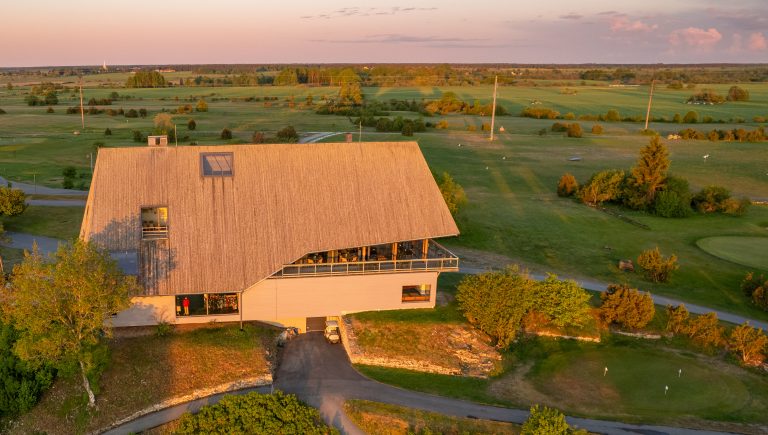
Ullna Golf Club makes a completely different first impression from Bro Hof. Everything here is modern, with a Scandinavian-style clubhouse tastefully finished in light wood. Everything open and airy, with a view of the course. The parking lot is right by the pro shop, and the first tee just outside. Compact and close.
Compact is perhaps the key word for Ullna. The setting along Lake Ullna is absolutely perfect, with the chance to lay out many holes along the shoreline. But Sven Tumba would probably have liked a little more land to work with when he designed the course. As it is, it does feel compact.
That’s not to say the result was a disappointment. On the contrary, Ullna Golf Club is a magnificent course of the very highest quality, especially after the upgrade, mostly more modern green complexes and drainage, carried out by Nicklaus Design in 2011–13. Jack Nicklaus was a good friend of Tumba’s and came out himself to inspect the changes, something that rarely happens when his design firm does the work.
The course starts with a couple of warm-up holes. Good holes, but nothing exceptional. But then things happen.
Water, water and more water. That’s really how the next stretch of holes feels. The 3rd is a short par 3 played straight down toward Lake Ullna and a small island that holds the green, complete with a couple of guarding bunkers. Not much margin for error in either length or direction. A very beautiful hole that sets the tone for what’s to come.
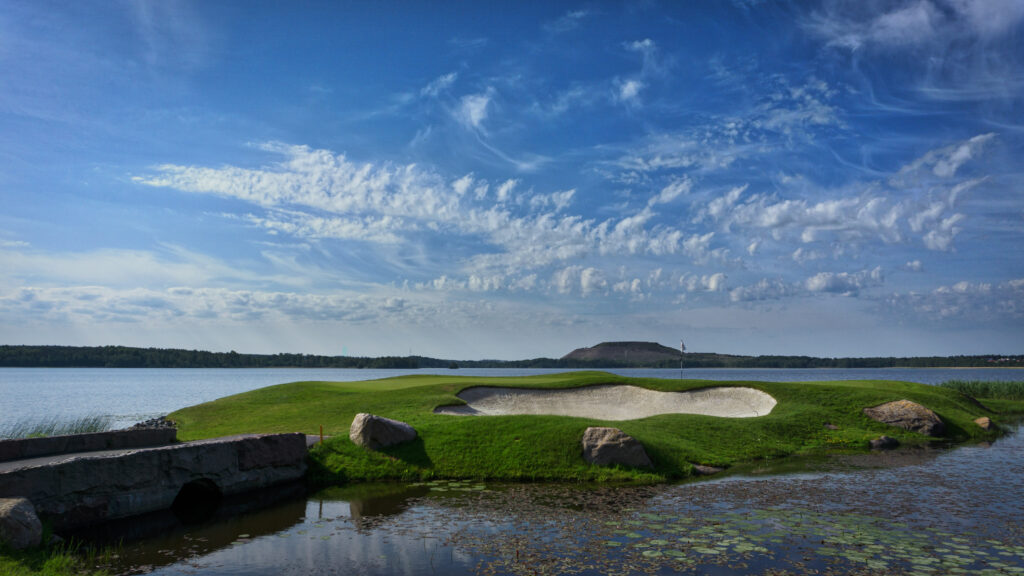
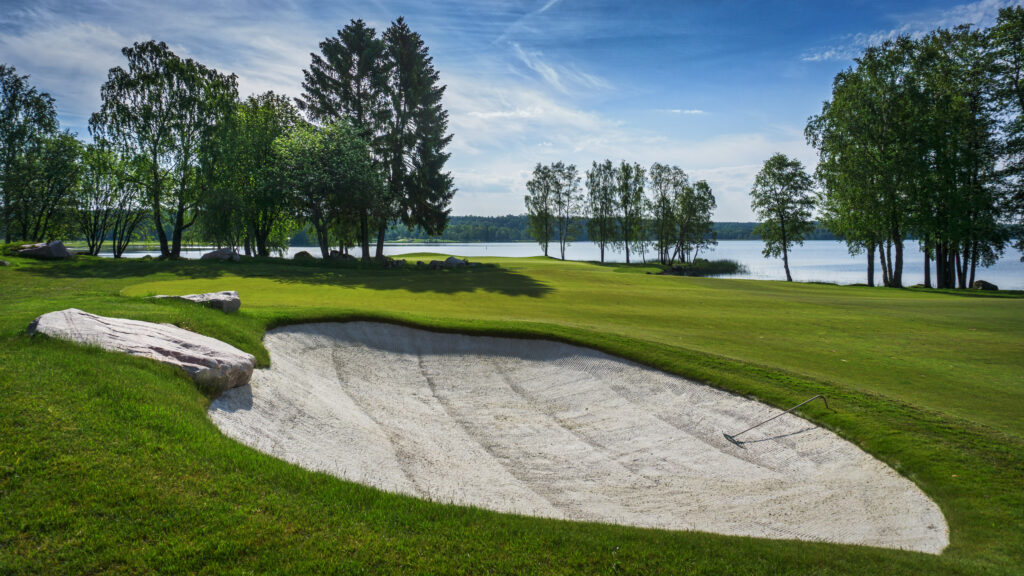
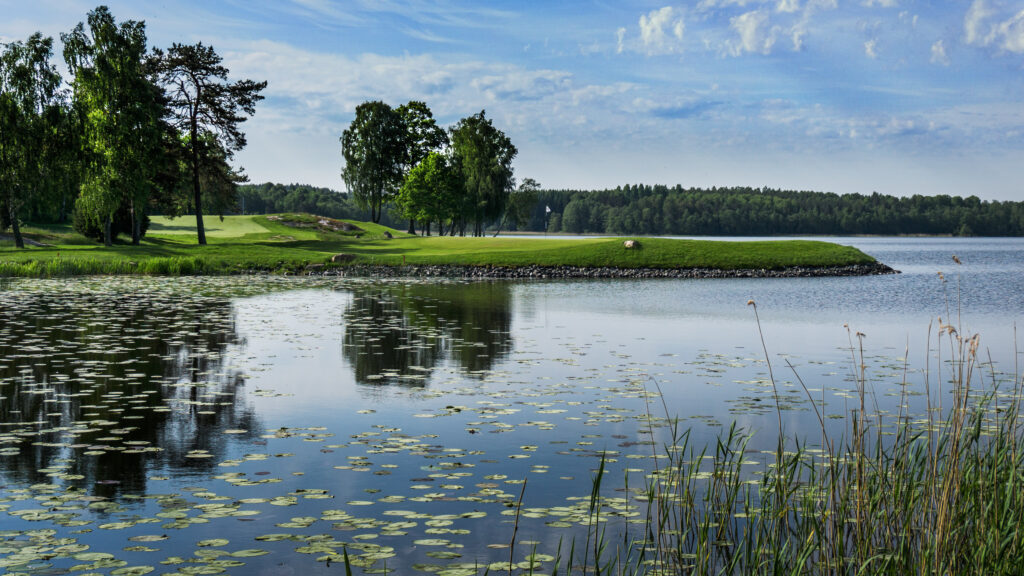
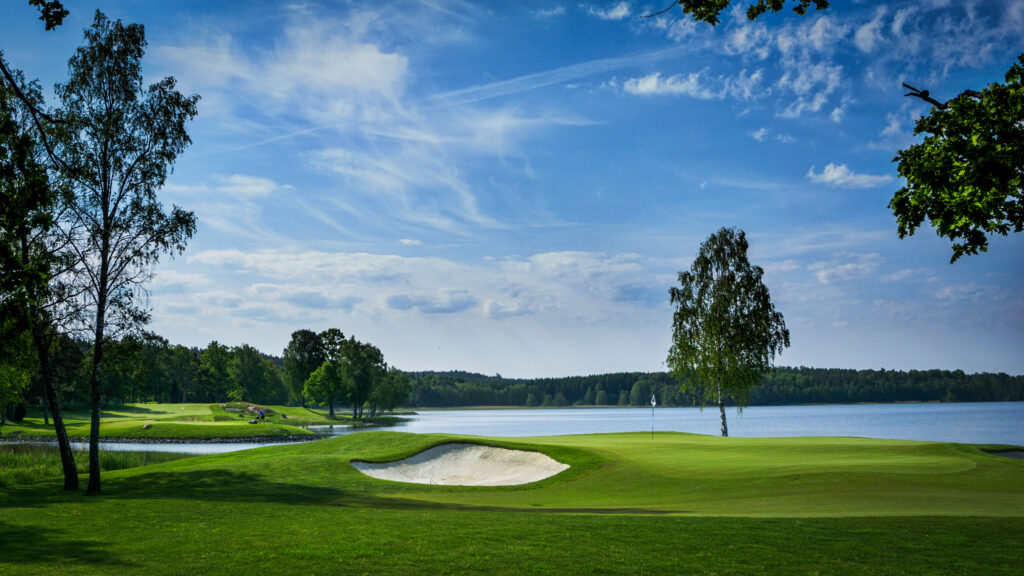
The 4th is a short par 5, with the chance to cut the corner over the water. An excellent risk/reward hole. The 5th is a beautiful par 3, straight over the water to a green on a peninsula. The 6th continues along the water. A slice is not a good idea on this stretch…
The course then turns inland. That doesn’t mean water isn’t in play. Two big ponds come into play on several holes, but this is where it feels as if the course could have used a little more room. Two par 5s in a row also feels a little unusual, but all in all every hole is of good quality.
The excitement builds again toward the end. On the 16th we are back on the shore of Lake Ullna. The 16th is the signature hole, a par 3 with the green on a beautiful point. To hit the green you have to carry the ball all the way over water, and with precision, since the green is lined with several trees. A very beautiful hole.
The tee shot on the 17th is also over water, and the approach goes to a beautiful green surrounded by water on two sides. Not really difficult, but water is always water.
The last hole takes us back to the clubhouse via a well-elevated green. A worthy finish to a very fine course. Tumba and Nicklaus deserve full credit for managing to squeeze a fine championship course into the somewhat limited space.
The quality of the tees, fairways and greens was absolutely perfect when we visited, again despite the severe drought. The location by Lake Ullna naturally helps when drought hits, but we are still impressed by the finish. All credit to the greenkeeper.
Kungliga Drottningholms Golfklubb
There’s no doubt that Kungliga Drottningholms Golfklubb was built in the late 1950s and early 60s when you walk up to the clubhouse. The exterior is very much of its time, with white brick and a black tile roof. Modern, yet somehow old at the same time. There’s nothing wrong with the condition and finish, though; everything is tip-top, the restaurant is nicely decorated, and the walls are adorned with pictures from the club’s illustrious history.
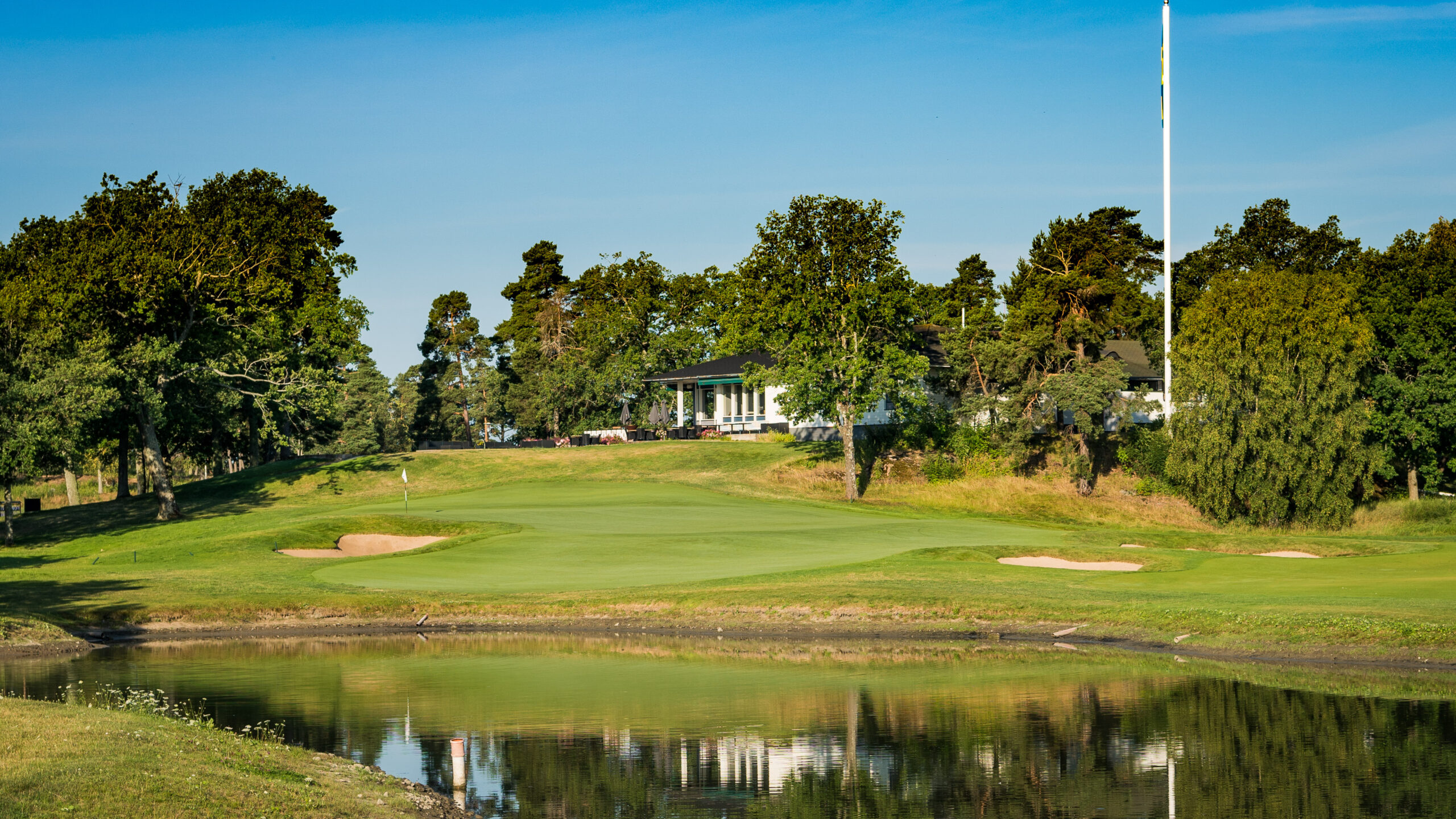
Here too, though, it’s the course itself we are most interested in, especially as we haven’t played it since the major renovation by Johan Benestam that was completed in 2012.
The last time we played the course, it felt a little old-fashioned. That feeling is now gone. Johan has updated the green complexes with generous, modern run-off areas and made them much more contoured, on the advice of Peter Nordwall. The result is a big improvement on what was there before, and the course now feels modern. The same goes for the bunkers, which now look more natural, with wavy edges instead of the earlier straight and rather dull lines. Many bunkers have also moved into the course and are more in play than before, which demands more strategic thinking. A good way to make the course more challenging for better players without having to lengthen it much. The fairways are also of much higher quality than before. During the renovation, 40 km (25 miles) of drainage pipe were laid. How that affects the course we couldn’t see in this very dry summer, but pure logic says it was a smart move.
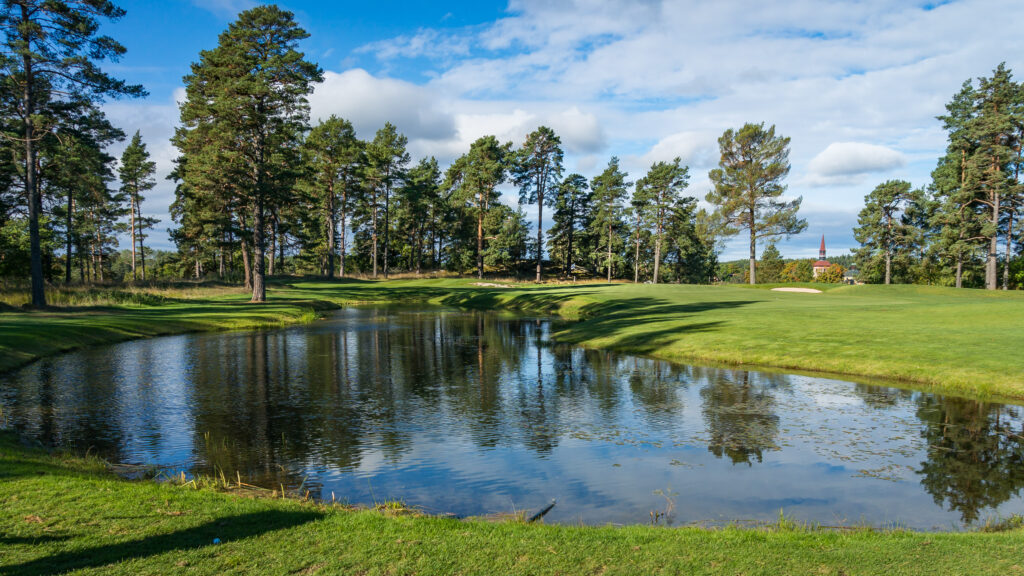
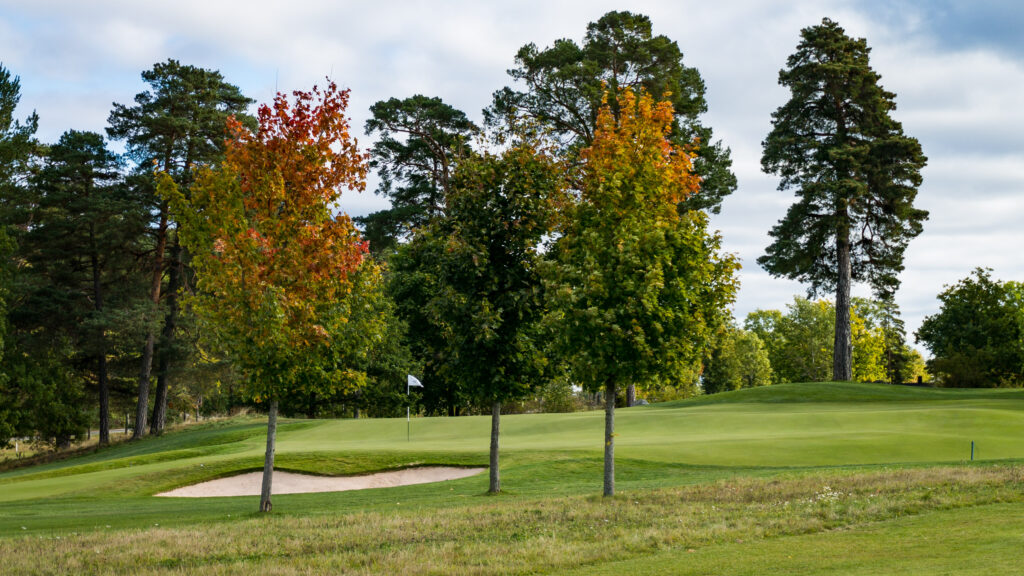
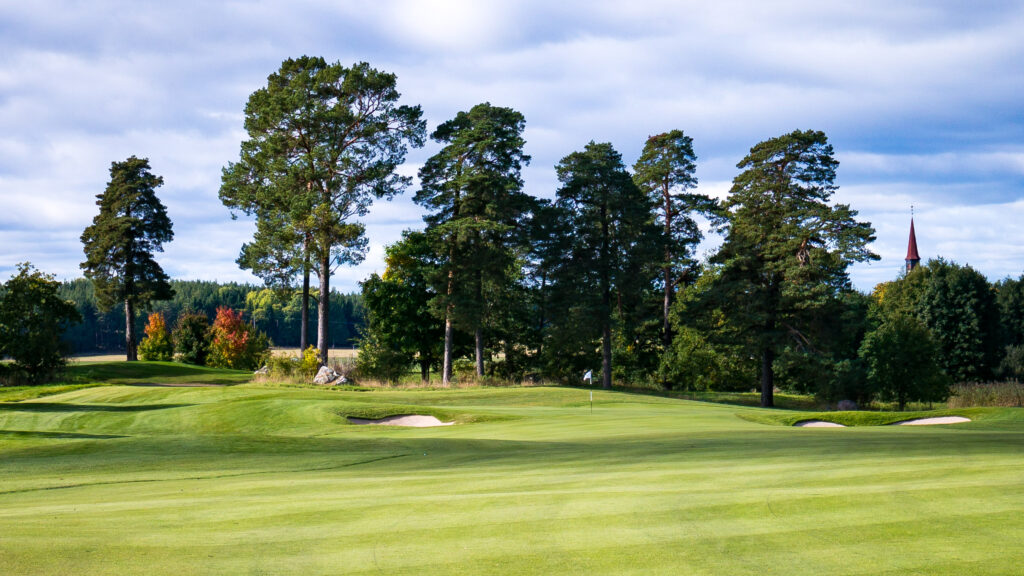
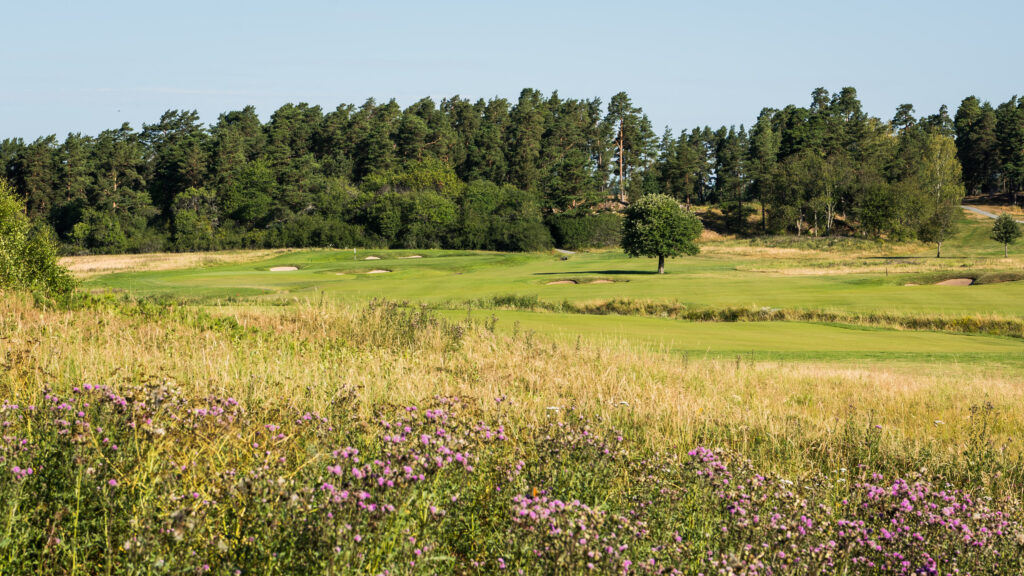
The routing itself hasn’t changed much, but all the changes still make it feel a little like a new course when we play it.
If you haven’t played the course since the renovation, we can definitely recommend a return visit. If you’ve never played it before, you can look forward to an enjoyable round in pleasant Swedish woods and meadows.
What does it cost?
Bro Hof Slott Stadium Course hurts the wallet the most. Expect to pay between 2,000 and 3,000 kronor (about $190 to $280) for a day of golf and lunch.
Ullna Golf Club has dynamic pricing. You can often find special offers with golf and lunch for a bit under 1,500 kronor (about $140).
Kungliga Drottningholms Golfklubb is a bargain in this league. A little over a thousand kronor (about $100) covers golf and lunch, even on weekends.
So which is Stockholm’s best golf course?
There is, of course, no single answer to that question; everyone has different tastes and different abilities.
For the pros, Bro Hof Golf Club’s Stadium Course is the biggest challenge, with black pro tees that add considerably to its length, but Ullna, with its many water holes, isn’t far behind in difficulty. For spectators, Bro Hof is best, with its big “Victory Valley,” the stadium area around the finishing holes.
But for the ordinary golfer who wants a pleasant round, the question is harder to answer. The high handicapper will probably be happiest at Drottningholm; the other two courses are simply too hard. The mid-handicapper can play all of them, but Bro Hof is a challenge with its usually thick rough, which takes real strength to escape. Who wants to play a round, score 20 points and lose a dozen balls? The water at Ullna can be a problem for anyone fighting a slice.
If your handicap is under 15, you can play all three courses. Drottningholm has the most classic layout, Ullna has the most beautiful holes along the water, and Bro Hof is the biggest challenge, with the best-quality fairways.
My own favorite was Ullna Golf Club, but not by a wide margin. All three courses are of very high quality. The best recommendation is probably to play all three, form your own opinion and choose Stockholm’s best golf course for yourself. It will be three memorable days of golf, we can guarantee that.
This article by Bo Sjosten was originally published in Swedish on our sister site Golfjournalen.se. It has been translated by AI.