Wild times at Hans Merensky

Translated by AI
The 16th hole is called “Leopard Kill.” A golfer was standing on the red tee under a tree here when she felt a few warm drops on her forehead. She looked up.
The leopard was lying on a branch right above her, chewing on an impala. That’s how the 16th at Hans Merensky Estate in South Africa got its name. It is without a doubt the “wildest” course in all of South Africa.
“Aim at the giraffe,” my caddie says on my approach to the 4th. “It won’t move. It has a baby giraffe to look after, and it knows the safest thing is to stay close to people so the lions don’t get them.”
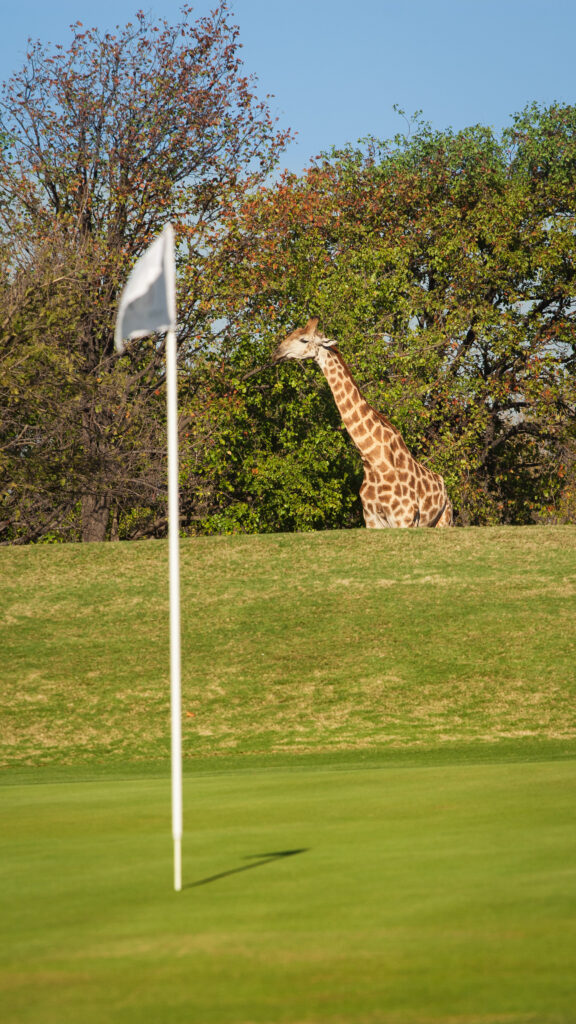
“The lions?” I ask.
The caddie smiles. This course lies right next to Kruger National Park, famous for its wealth of wildlife. The land the course sits on used to be part of the national park, which is in the far northeast of the country, 500 kilometers (about 310 miles) from Johannesburg. But now a high fence has been put up to keep the wild animals out. Now and then that hasn’t been enough.
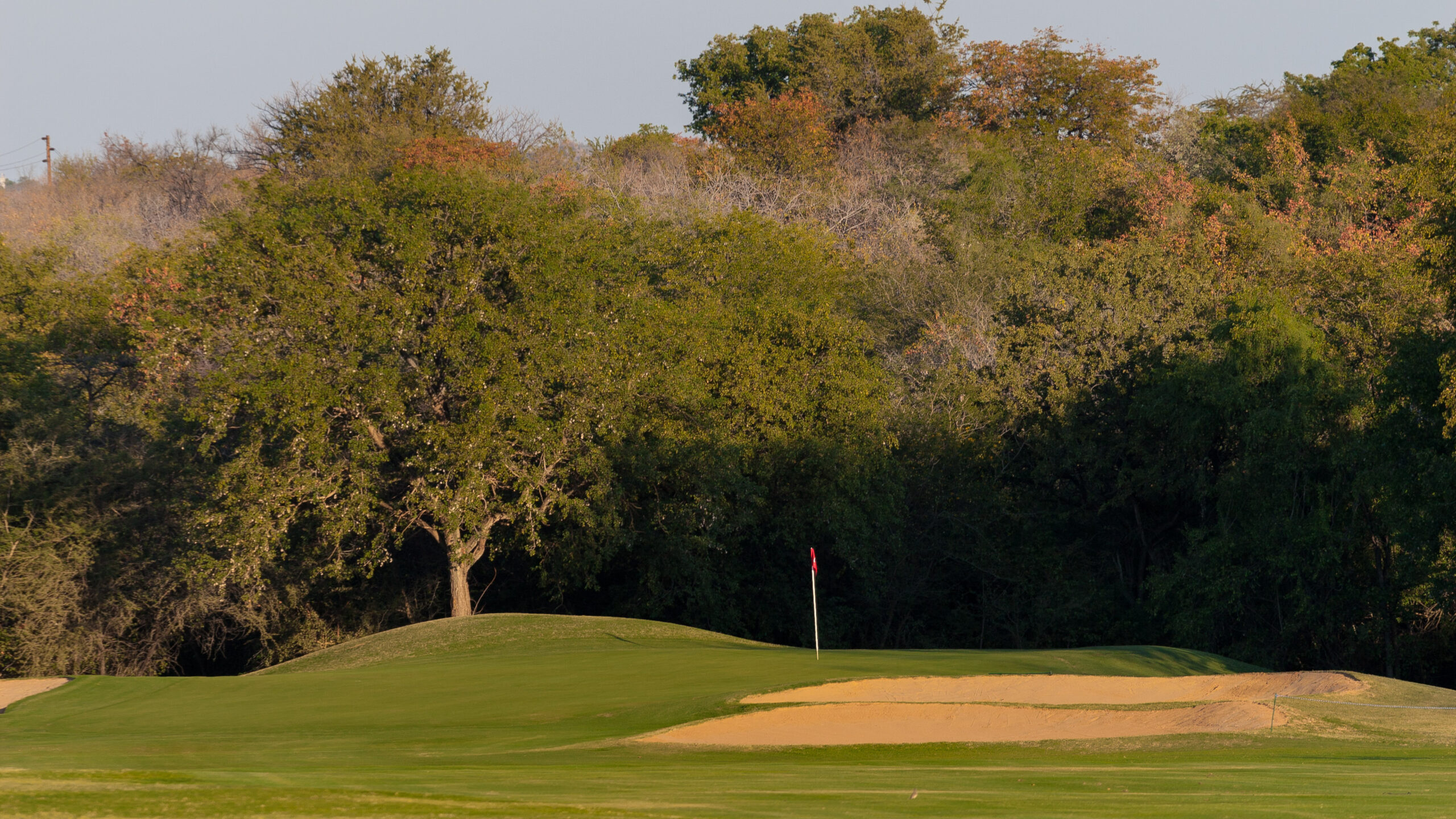
In 1999 a German tourist (not a golfer) was actually killed by an elephant by the greenside bunker on the 16th.
Afterward there was talk of closing the course for good. But the fence was reinforced and new safety rules were introduced. All caddies now have to take an annual safari course to make sure they do the right thing in any situation. My caddie, Thomas Mashatole, tells me about a time he was playing in a tournament.
“Some buffalo came. I ran and climbed up a tree. I was so scared,” he says.
How reassuring.
Those who are a little nervous by nature, and don’t have much of a way with animals, won’t score very well on this 6,200-meter (6,780-yard) par 72. Thomas tells me he first started playing golf at 15 through a free program his school was able to offer. One day he heard lions nearby while he was practicing. He went straight home and refused to play any more. The pro had to call him and talk him into coming back. Today he’s both a caddie and a low handicapper.
Warthogs wander the greens
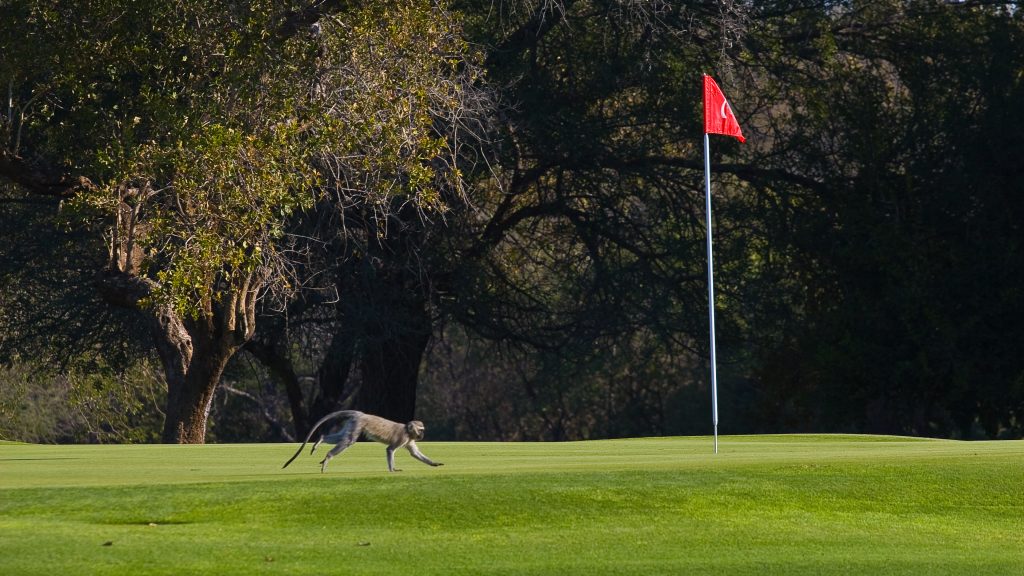
Most people who come here seem completely relaxed, enjoying the experience of seeing all the animals, including zebra, elephant, hippo, crocodile, baboon, vervet monkey, warthog (which think they own the course), giraffe, guinea fowl, antelope and lizard.
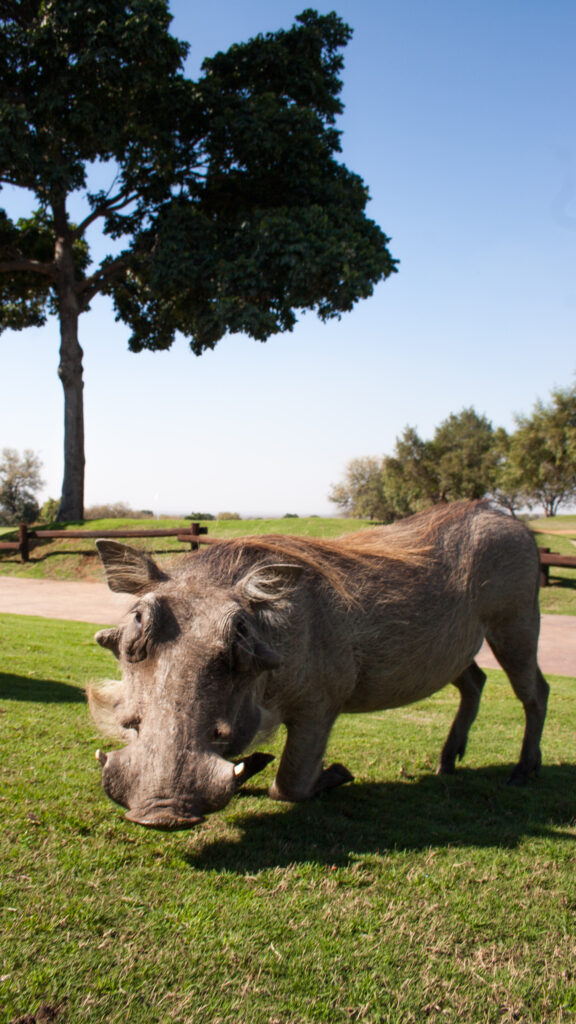
Ernie Els has declared Hans Merensky his favorite course. And Retief Goosen put it this way to the Washington Times: “It’s one of the best courses in South Africa. If you go out there in the evening you can see lions on the golf course. Sometimes it’s scary.”
Just ask the former caddie who went to fetch a ball at the edge of the water hazard on the 17th a few years ago. Now he only has one arm.
But nothing really serious has happened for many years. The Danish safari lodge Nyati has no qualms about bringing its safety-conscious Scandinavian golf guests to this championship course.
Still, there have been various incidents worth writing home about. Like the time they had to close the front nine because a cheetah needed to finish eating its prey, a pregnant impala, on the 4th fairway.
This week’s “incident” is of a completely different kind.
“One of the giraffes had a baby yesterday!” the caddie tells me, genuinely happy. He can’t promise we’ll see it, because the anxious parents keep the baby away from everyone at first. But he thinks he knows which hole it’s staying near. Maybe we’ll catch a glimpse.
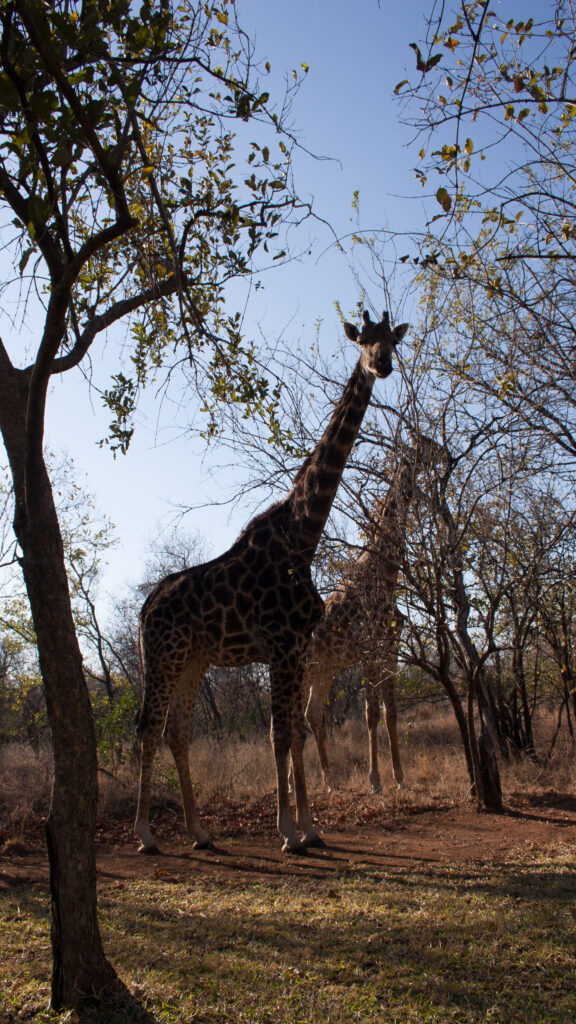
I understand his excitement about the little newborn when he tells me another giraffe died last year after falling into the hotel swimming pool. You’d think a giraffe could stand in a pool without drowning. But sadly it fell in head first.
That’s life at Hans Merensky. Little things like pars and birdies suddenly seem less important. In fact the whole round is an experience of a lifetime, including the 16th, “Leopard Kill.”
This is where the German woman was killed. She was photographing a mother elephant standing on the other side of the fence with her calf, inside Kruger Park itself. The woman used a flash, and the elephant got angry. It warned her four times; Thomas heard the trumpeting from where he stood by the clubhouse that day.
Too late
“I’ll never forget that sound,” he says, still visibly shaken to this day. He and the other caddies ran to help, but by the time they got there it was too late. The elephant had charged through the fence and trampled the woman to death.
Today the 16th is played with a sense of gravity. Kruger Park is out of bounds, and that’s where many a hooker’s golf balls end up. We appreciate that the OB line is now marked by a high electric fence.
At the 17th, Africa’s most dangerous animals, the hippos, are bathing. A crocodile lies at the water’s edge. It almost looks stuffed, it’s so stiff and lifeless. The crocodile is duly photographed while my playing partners pose in front of it with and without golf clubs. Finally one of the caddies throws a stick into the water in front of it, and the crocodile reacts with an explosive snap and swims off, with only a pair of reptilian eyes showing above the waterline.
We feel relatively safe, since the vast majority of rounds here are played without drama.
I have to conclude that this is one of the most fun rounds of golf I’ve ever played. Many visitors come back regularly after playing the course once.
On the scorecard we find some unusual local rules, for example that damage done by warthogs is considered to be made by a burrowing animal. You’re also allowed to repair hippo tracks (and other wild animal tracks) on the greens. Sadly, though, they don’t sell pitch-mark repairers the right size for the job.
Finally, the scorecard says: “Play at your own risk.”
After the round we relax on the terrace in front of the clubhouse with the caddies. We’re entertained by the vervet monkeys rummaging through the gear in the golf cart of some South African players who’ve come up from Johannesburg. We hear about the time one of the monkeys ran off with a green-fee guest’s money and dentures. I don’t notice when one of the monkeys runs off with the key to my cabin at Nyati.
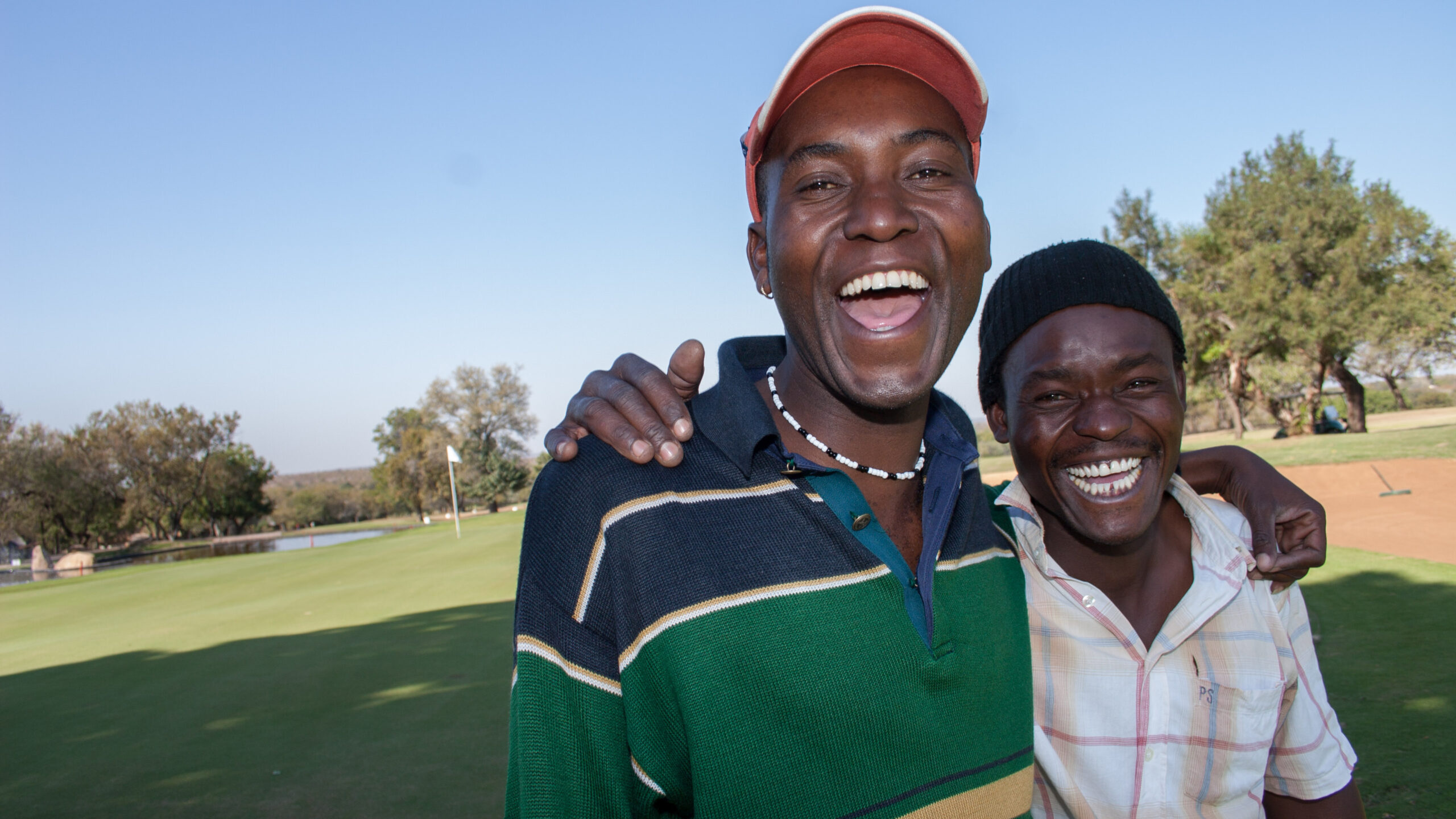
Thomas invites us for a little drive in the golf cart after the round to see if we can find the baby giraffe. That’s how it should be on every course, I think. One thing is certain: if you’re going to play Hans Merensky, have your camera as ready as your putter. You’ll definitely want to start shooting when the wild animals wake up. Or when they’re asleep at the water’s edge. Just don’t use a flash on an angry elephant.
Links:
hansmerensky.com
nyati.com
This article by Kaia Means was originally published in Norwegian on our sister site Golfjournalen.no. It has been translated by AI.