
A Golf Weekend on Mallorca

Translated by AI
For years Mallorca had a reputation as a cheap package-tour island, something for the charter tourist who couldn’t afford anything better. But times have changed, and Mallorca is now something of a luxury destination. We test the island as a golf destination.
In the 1980s and 90s Mallorca was invaded by so many tourists that drastic measures were needed to sort out an almost chaotic situation. A series of steps was introduced to improve the island’s reputation and standards. For example, you can no longer simply build new hotels. For every new hotel room you want to build, you have to tear down two old ones. This has led to a real rise in standards, since for obvious reasons you have to build more luxurious rooms to make the investment pay. Higher hotel standards bring wealthier tourists, which in turn has raised standards in many other areas, such as restaurants and, in our case, golf courses.
We set off for a golf weekend at the oldest golf resort on Mallorca, where the first course opened as early as 1964. Arabella Golf is also the largest golf resort in all of Spain, with 54+9 holes. On the property, right next to the 18th green of the Son Vida course, is a five-star hotel, the Sheraton Mallorca Arabella Hotel, a prime example of the island’s new, higher standard. Here you truly live like a prince, with a beautiful view of one of the three courses and access to a spa, a gym and first-class restaurants. A fantastic choice for a golf vacation.
But for the true connoisseur there is an even more exciting option: Castillo Son Vida.
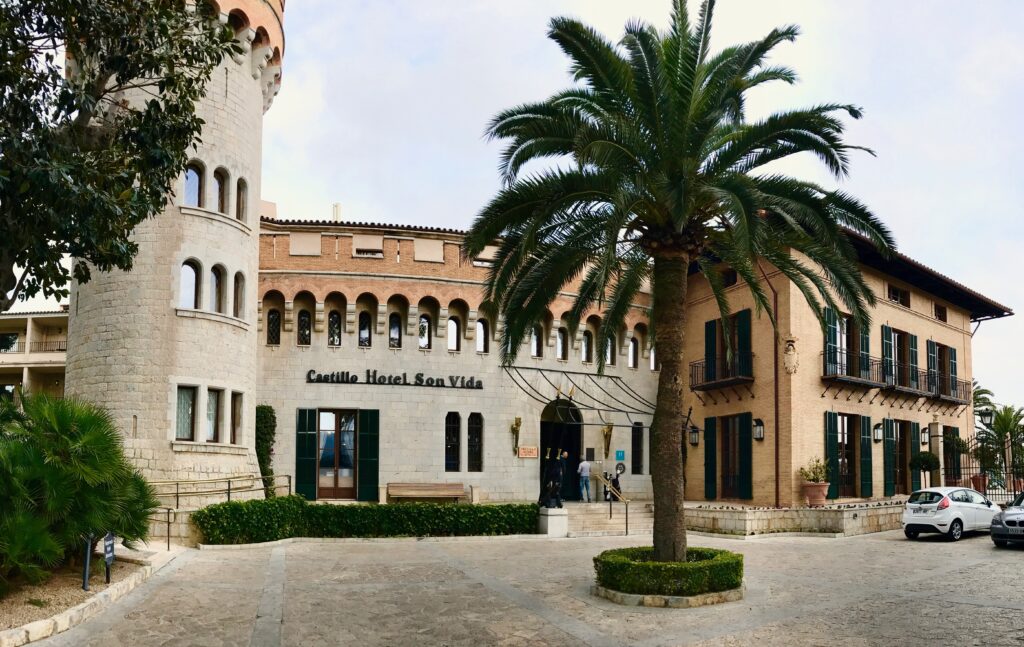
If you live like a prince at the Sheraton Arabella, you live like a king (or queen) at Castillo Son Vida.
The feeling that this was going to be something special began at the airport. We were met by a smartly dressed driver who took care of our luggage and drove us to the hotel in a latest-model BMW limousine. At the hotel, check-in was smooth, and there was also a golf check-in where we could book our tee times.
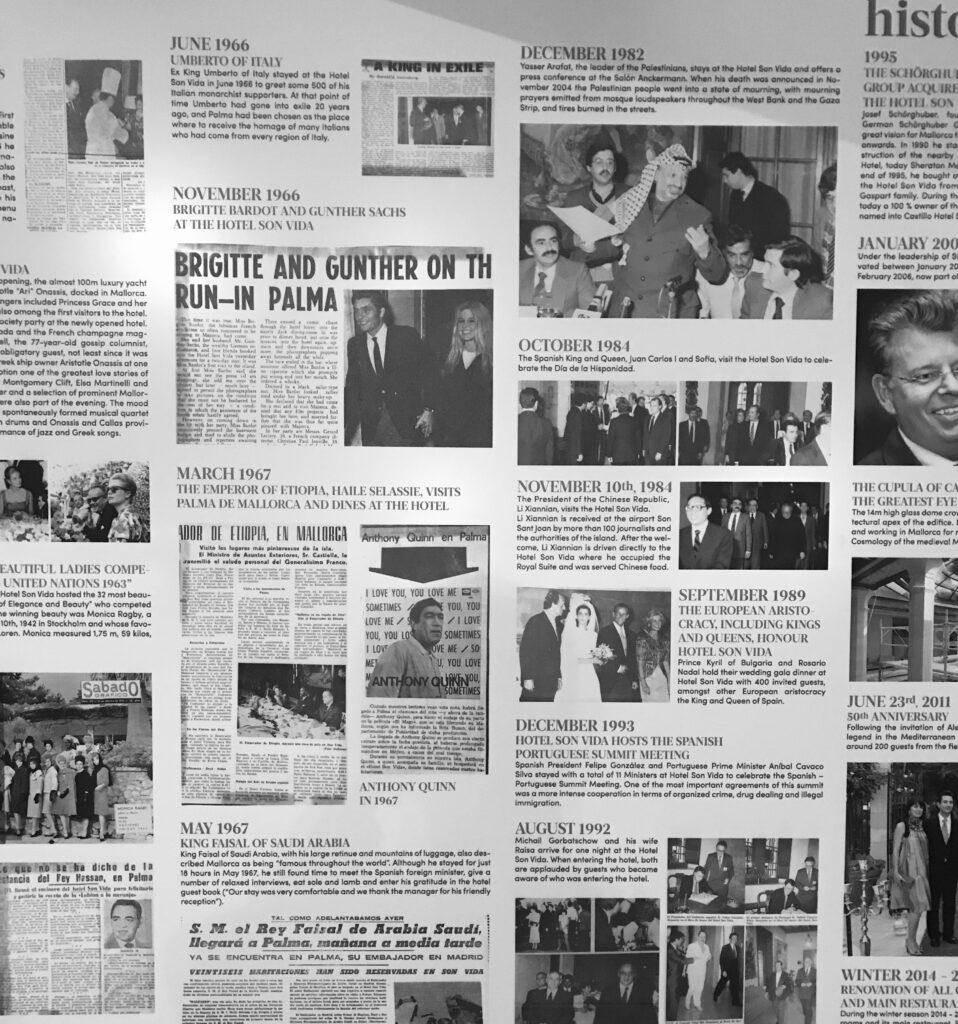
Castillo Son Vida sits at the highest point of the resort, with a fantastic view of the city of Palma from the terrace and from the rooms on the upper floors. Despite the name, it has never been a castle, but it still has a long and interesting history going back to the 13th century. In the mid-20th century it was converted into a hotel, and in 2006 it underwent a complete renovation into the 5+ star experience it is today.
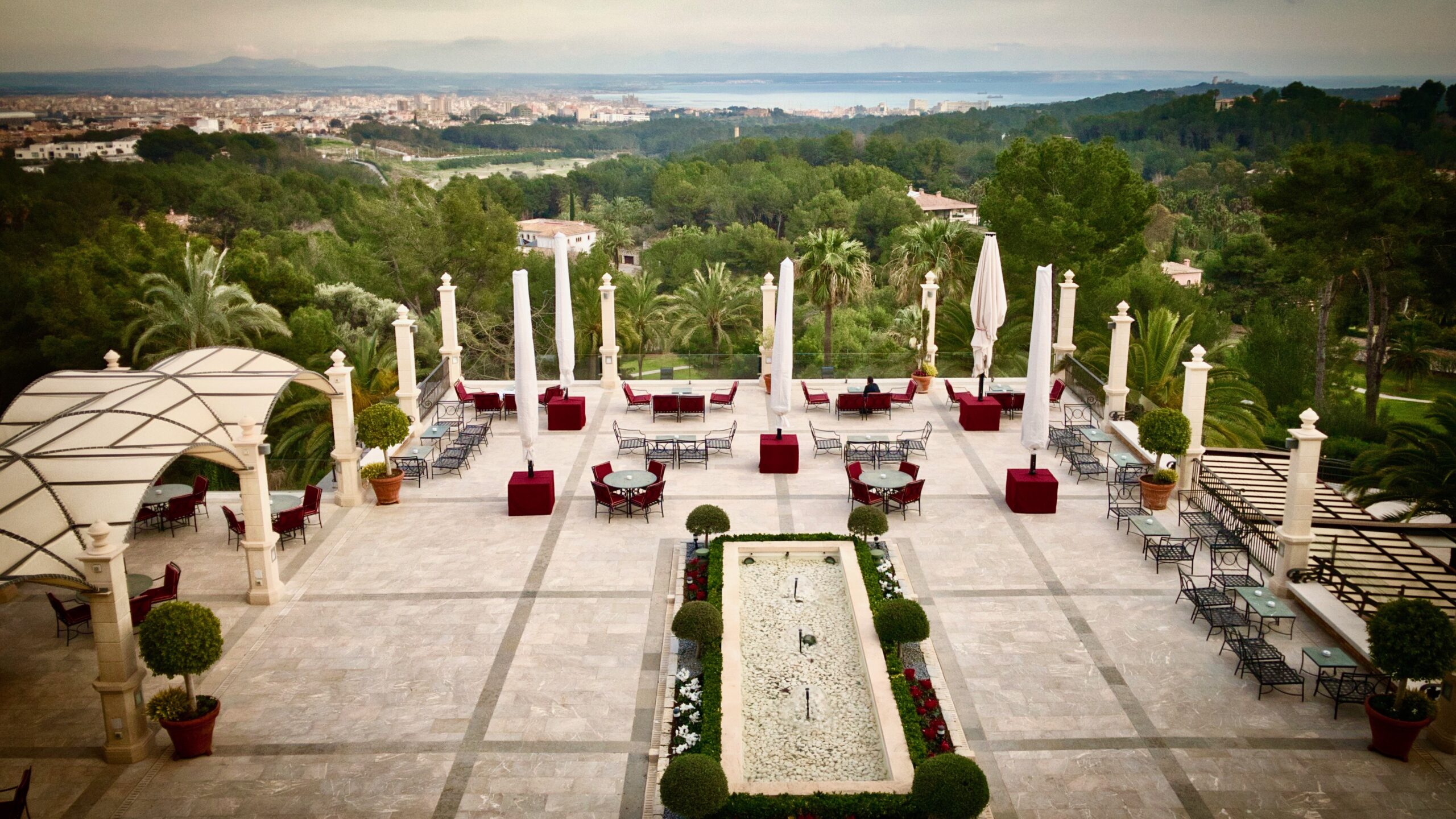
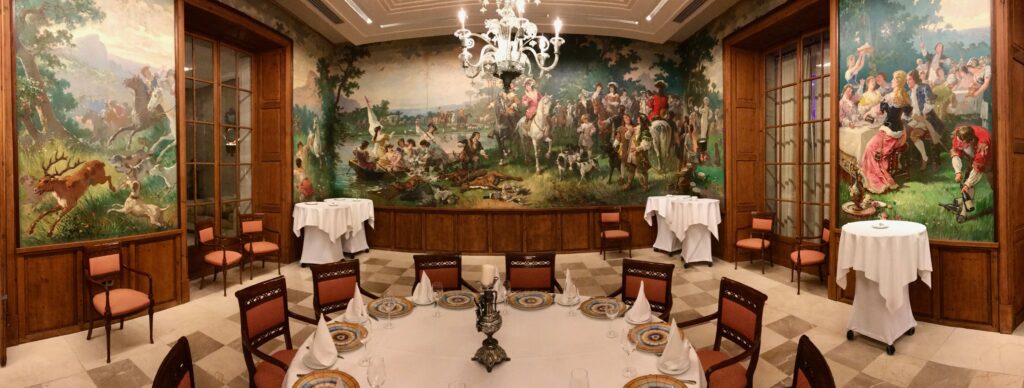
The hotel keeps a castle feel, with high ceilings and many grand works of art by Mallorca’s most famous artists. The décor is classic, with a large bar next to the big terrace, where you can also order lunch if you like. Sitting on the terrace looking out over Palma far below, it’s easy to slip into the role of the lord of the castle surveying his lands, with the peasants toiling below. These days, of course, it’s mostly golfers toiling down there.
One floor down are a number of upscale shops, a five-star restaurant and a brand-new, full-service spa. You can lounge around the indoor pool with a view of the golf courses. In other words, the hotel has everything you need for a golf weekend. If you want to try a few different restaurants but stay at Arabella, you can take the shuttle (or walk for a few minutes) down to the Sheraton Arabella, where you’ll find a couple more excellent restaurants.
Time for golf
There are three 18-hole courses at Arabella Golf: Son Vida, the classic course from 1964; Son Muntaner, the championship course; and Son Quint, the newest and slightly easier course. On our golf weekend we wanted to try all three.
With plenty of good flight connections from all over Europe, Mallorca is quick to reach. We arrived in good time for a light lunch and an afternoon on the course. We chose to play Son Vida first.
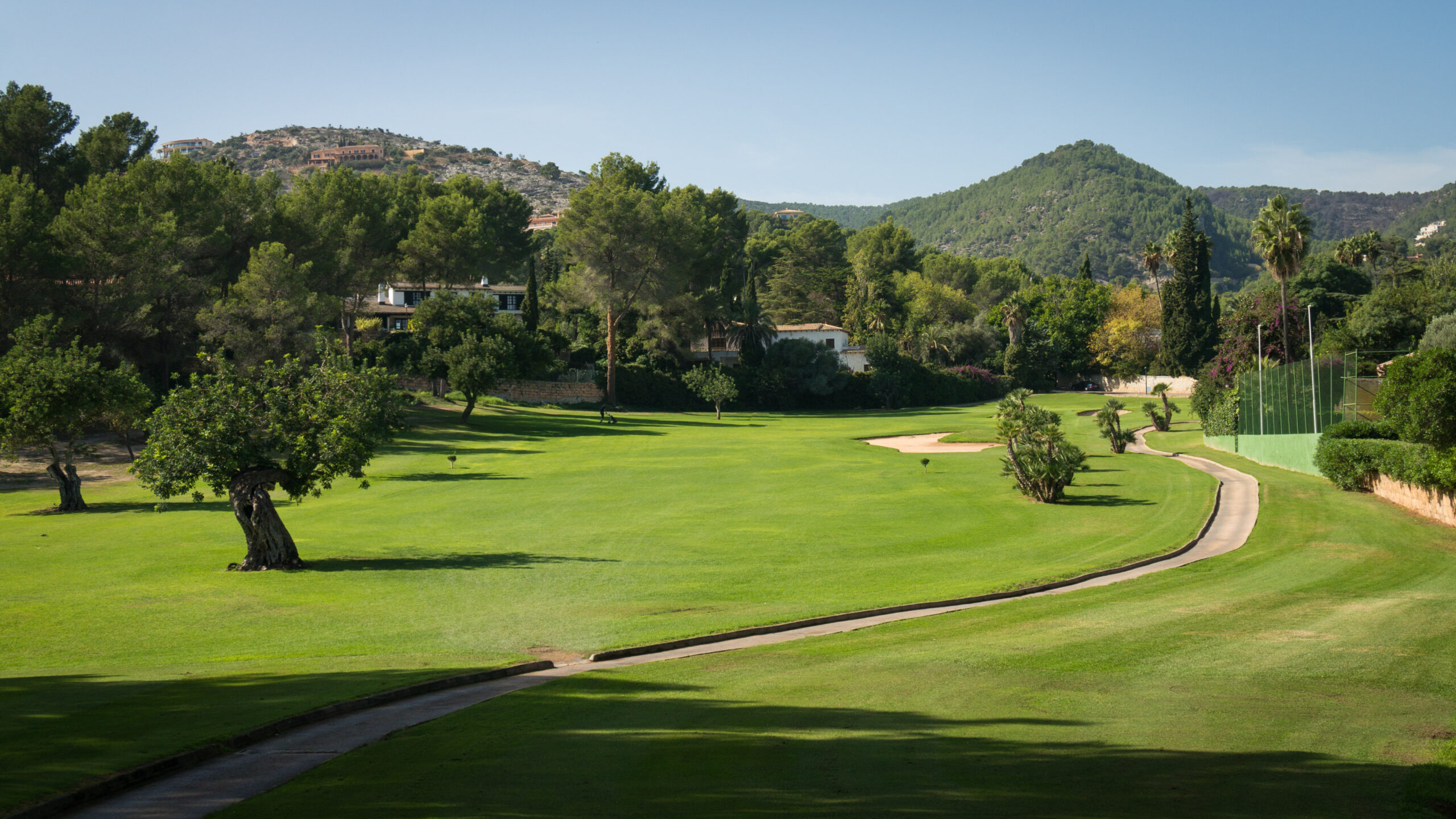
Son Vida opened in 1964 as the first course on Mallorca, when Prince Rainier of Monaco hit the first tee shot. It was designed by Hawtree in a classic layout but has been updated over the years, most recently in the 2000s by Rossknecht in connection with the layout of Son Muntaner. It is the shortest of the three courses, with many narrow fairways in corridors of full-grown eucalyptus trees. Precision is definitely more important than length. Leaving the driver in the bag is not a bad idea.
Toward the end the course opens up, leaving the forest and finishing in open country below the new clubhouse and the Sheraton Arabella hotel.
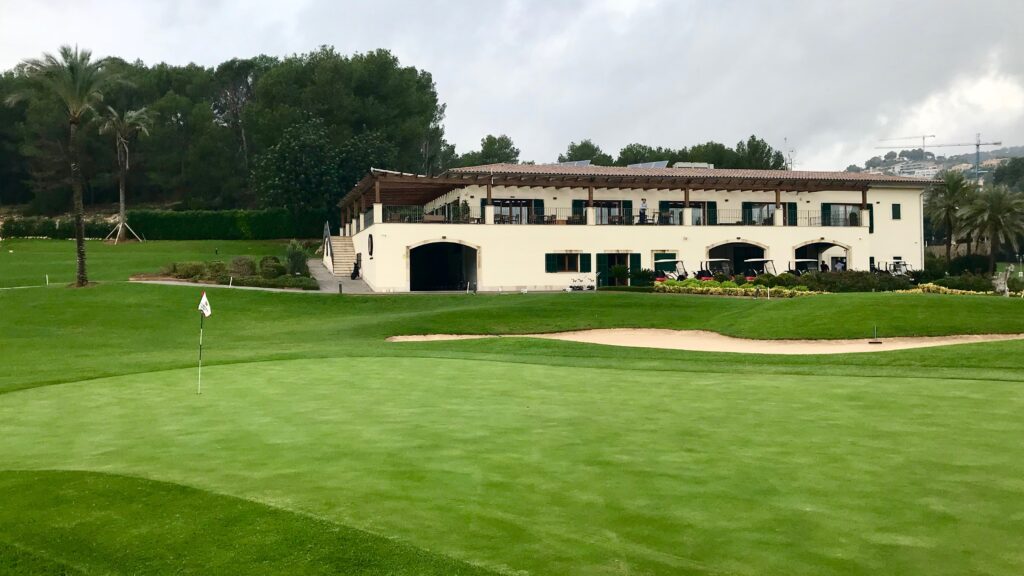
Son Vida is a fine experience, a reminder of how golf was played before everything was about hitting it 300 meters and then sticking the approach on a green running 13 on the Stimpmeter. Here, instead, skill with every club and sensible strategy are rewarded.
The next day it was time to play the resort’s championship course, Son Muntaner. Designed by the German architect Kurt Rossknecht and opened in 2001, it is without doubt the best and most challenging of the three courses at Arabella Golf, measuring more than 6,300 meters (6,890 yards) from the back tees. The course stretches over undulating terrain, but it is still quite walkable. An electric trolley is a good compromise if you want a little help on the hills, especially after winter rain, when golf carts are sometimes banned from the fairways. In 2015 the course underwent a major renovation, during which the fairway grass was replaced with Bermuda Celebration, the first course in Europe to do so.
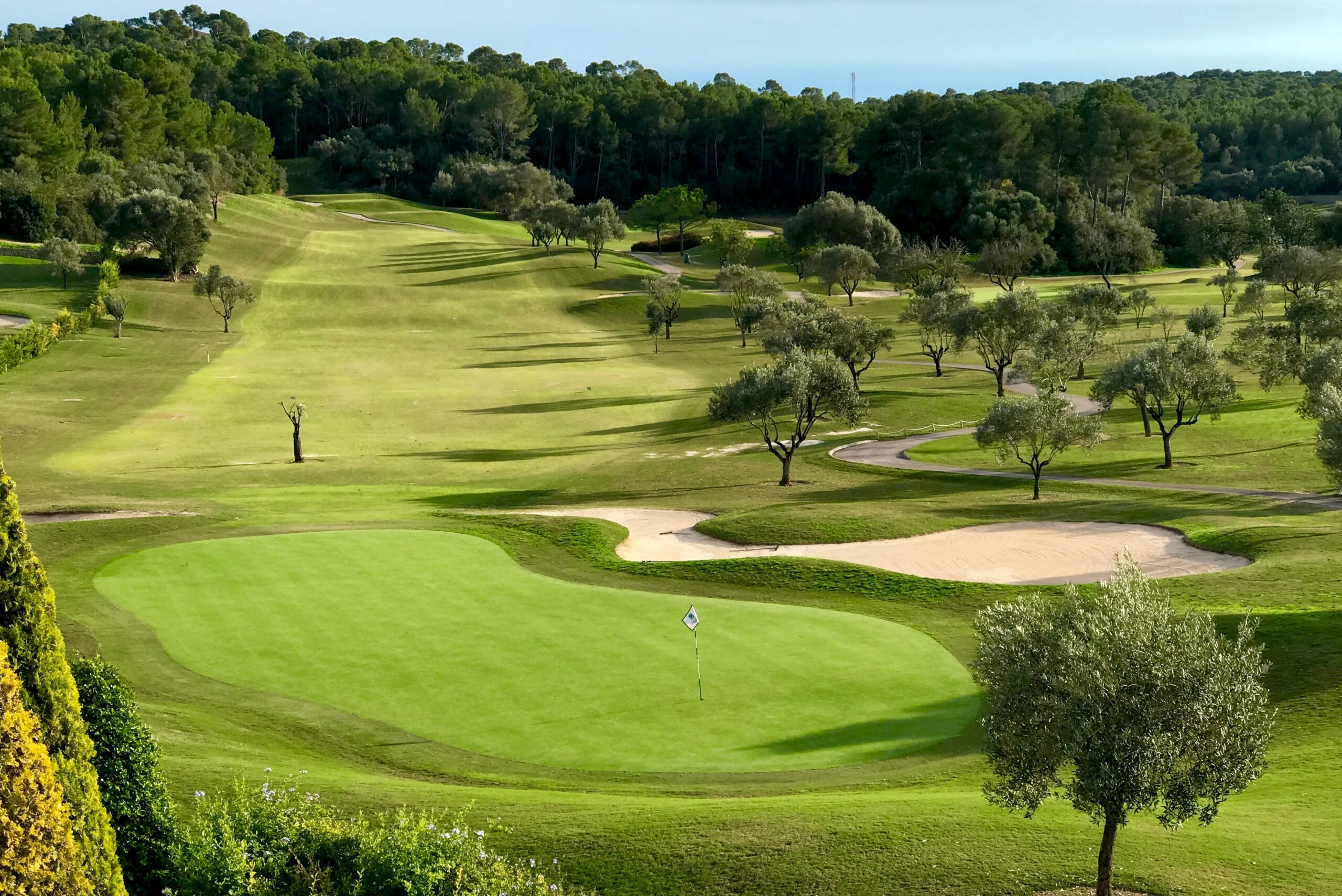
Son Muntaner is a fantastic course with many exciting holes. Without going into detail (do read our full course description), we can say that if you come back to the clubhouse with the ball you started with, you can be very pleased. This is a hard course, but with good planning and a strategy suited to your handicap, most players should be able to play it successfully. Just don’t get overconfident and try too many difficult shots. As Jack Nicklaus once said: if you have two shots to choose from, choose the easier one. That applies doubly at Son Muntaner.
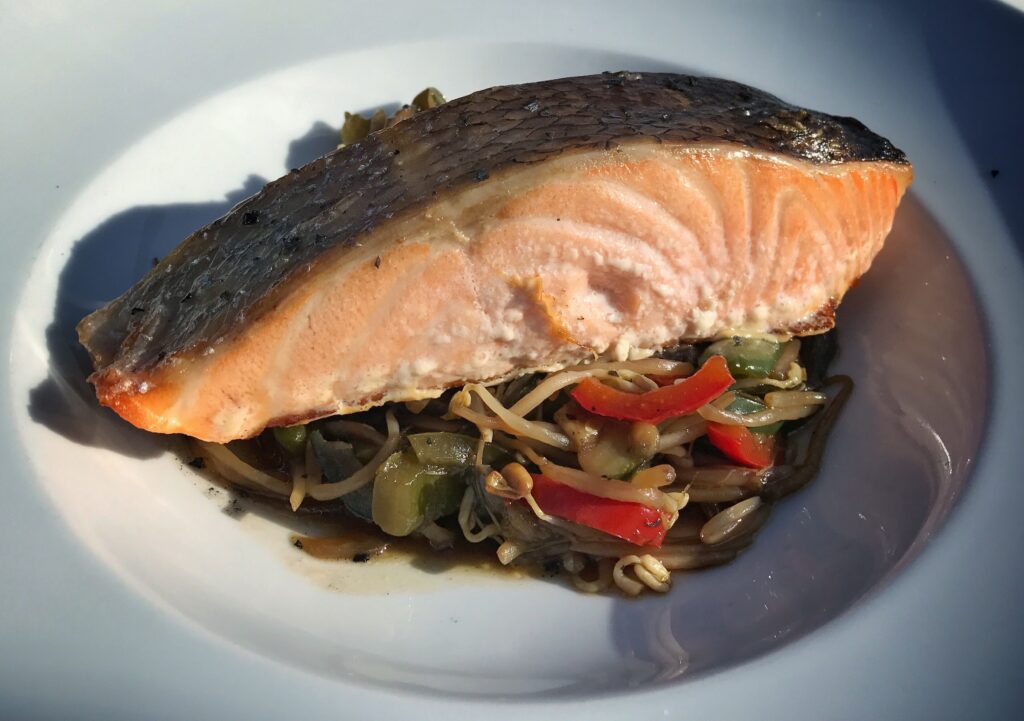
The afternoon is best spent on the clubhouse terrace overlooking the 9th green. The food is superb, and we really enjoyed Mallorca’s fine fall weather.
After the previous day’s challenging round, on the third day we chose the last of the courses at Golf Arabella: Son Quint.
Son Quint is the newest of the three 18-hole courses at Golf Arabella, opened in 2007, and also the easiest to play. That’s not to say it’s boring in any way.
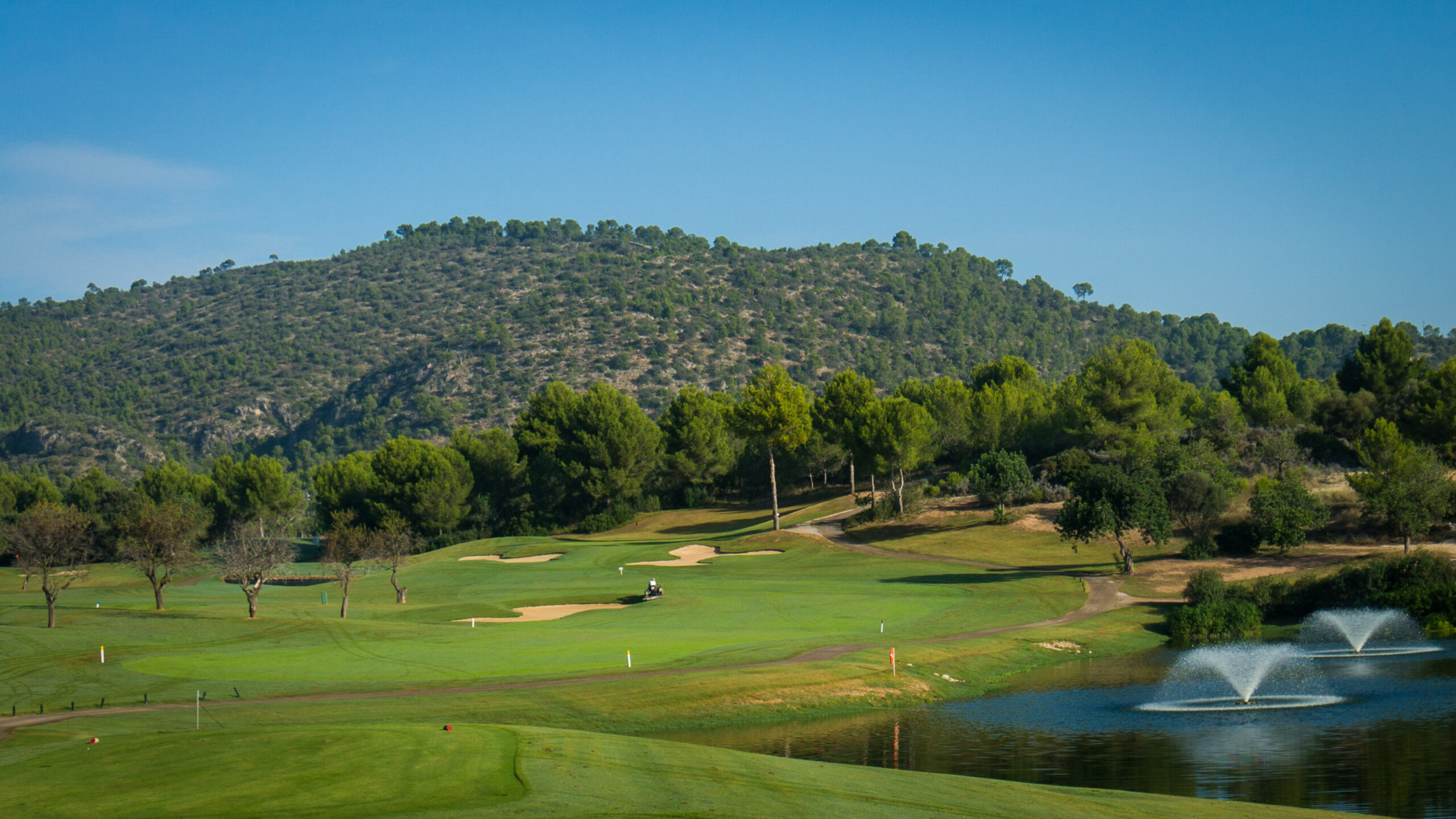
The course has a more open layout than Son Vida, but after a couple of warm-up holes a number of holes are played among low conifers; you can tell this is the newest course. It gets really exciting on the back nine. Water comes into play as early as the 10th, and the 13th is a real challenge, a long par 3 over water. Overall, the back nine is the real highlight of the course.
After the round we had plenty of time for lunch in the clubhouse before heading to the airport. In three days we managed three fine courses, including the trip there and back, without ever having to rush. Mallorca has really grown as a destination, for golfers too. A golf weekend on Mallorca is something we wholeheartedly recommend.
Read more about the courses here
Stay at the golf course or in Palma?
Should you stay in the city of Palma or at Son Vida? As a golfer, in my opinion it’s much better to stay at Son Vida. You can walk straight from your hotel room onto the course, or to the shuttle that runs between the courses. The driver takes care of your clubs. Everything is easy and smooth. After the round you can shower and change in your room, or perhaps at the spa. If you want to go into town after golf, it’s a short taxi ride; if you’d rather take it easy, there are plenty of restaurants to choose from at the two hotels. And all three clubhouses have excellent restaurants.
Golf in the morning, spa in the afternoon, dinner at the hotel or in Palma, and then a short taxi ride to Palma’s nightlife. Can it get any better?
This article by Bo Sjosten was originally published in Swedish on our sister site Golfjournalen.se. It has been translated by AI.