
Links Golf on the Emerald Isle

Translated by AI
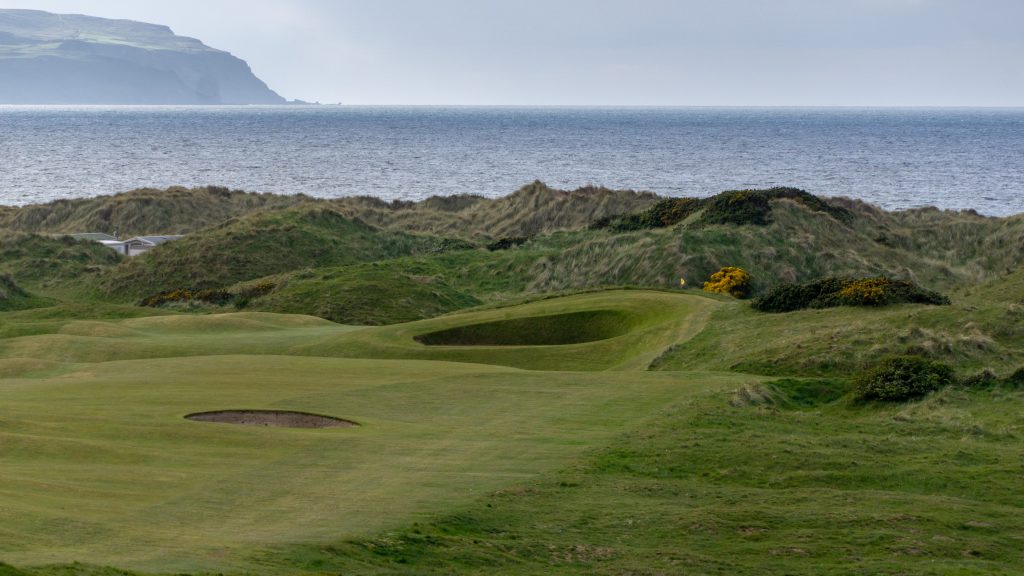
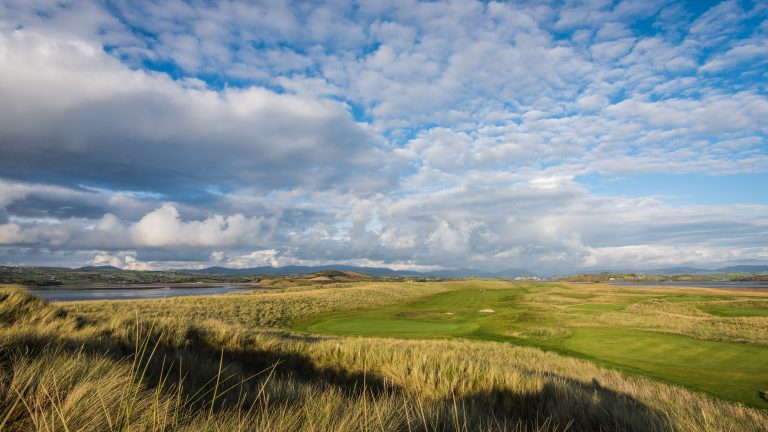
The Emerald Isle in the headline is, of course, Ireland. What could be greener than Ireland, and what landscape could be more made for golf? We head for the northwestern, somewhat more windswept part of the island to explore a bunch of links courses.
Golf paradise is close at hand. We fly out early one morning in May, and after a short flight and a coffee break at Dublin Airport we take the highway north. Ireland’s main roads are of high quality these days, and the island is fairly compact, at least by Scandinavian standards. It takes us only a few hours to reach our first destination of the day, Castlerock Golf Club on the Causeway Coast in Northern Ireland. Even though this is our third country of the day, we arrive just in time for lunch.
It’s Sunday, and the clubhouse restaurant is packed with both golfers and villagers enjoying a traditional Sunday brunch, but they quickly find us a table and we help ourselves at the buffet, where meat is carved from generous roasts. Just the thing for hungry golfers.
After letting the food settle a little, it’s time to tackle the course. There are two to choose from, Mussenden and Bann. Mussenden is an 18-hole championship links, while Bann is a nine-holer that isn’t half bad either. We choose Mussenden.
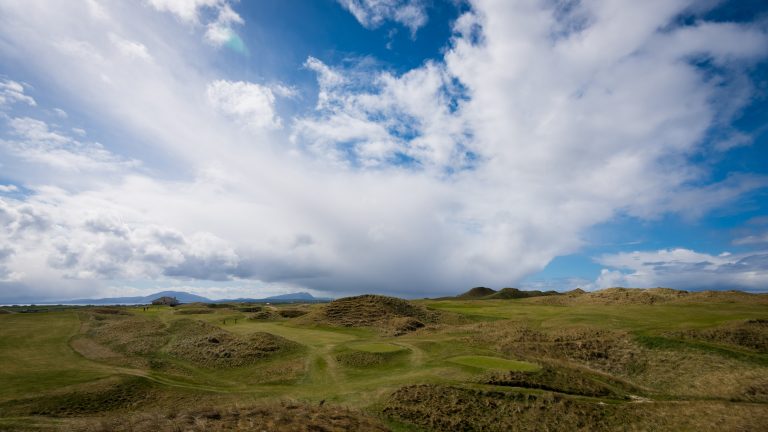
Mussenden opened in 1901 as a 9-hole course but was quickly extended to 18 holes. The Scottish clubmaker Ben Sayers got the job, and he set the bar high, wanting to create a course to rival the great courses of the day such as Troon and North Berwick. He succeeded beyond expectations, creating a fantastic links experience among the dunes of the Causeway Coast.
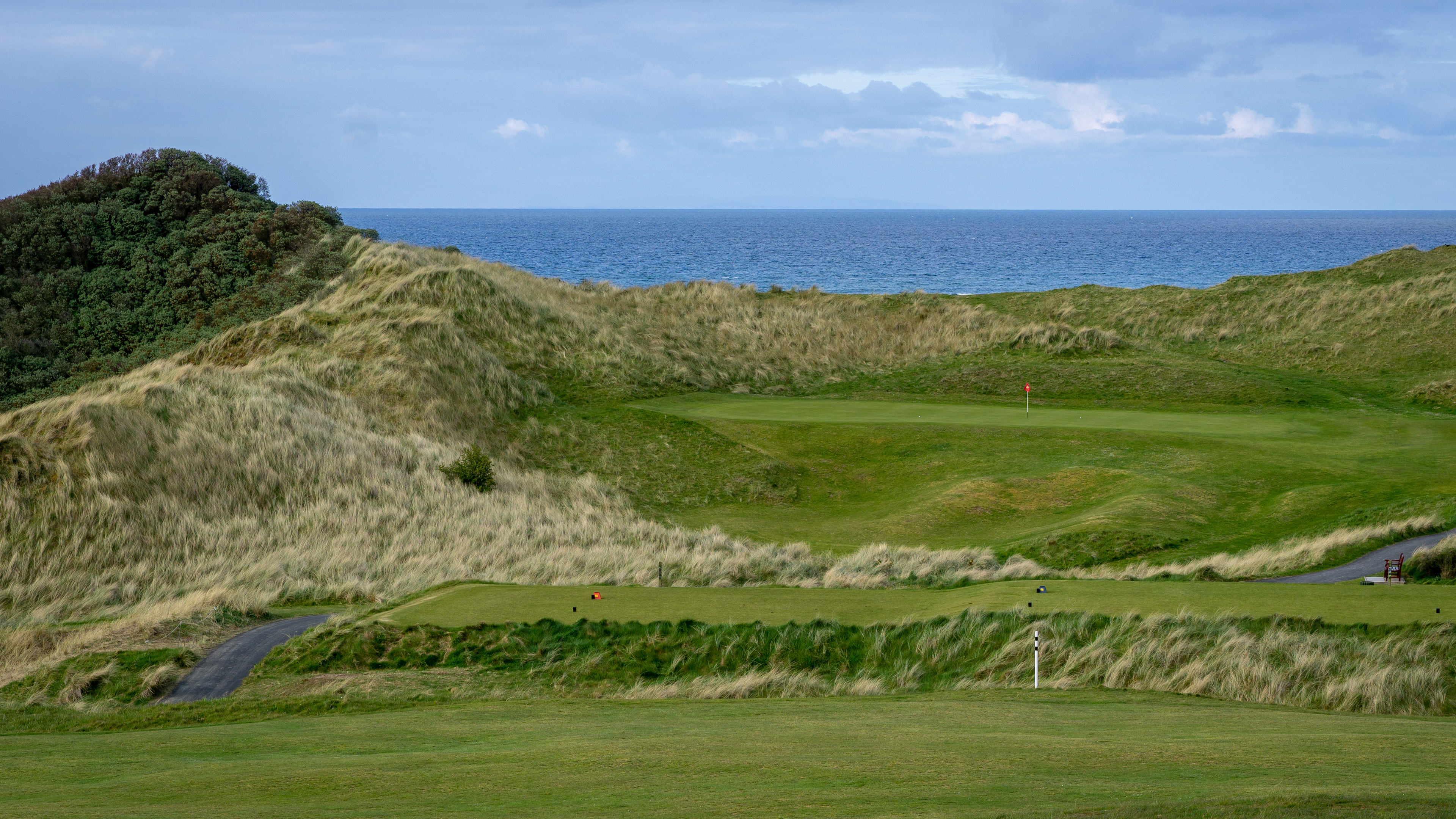
Over the years the course has been updated by, among others, Harry Colt, and most recently by Martin Hawtree from 2017 to 2020. The course has been modernized, above all the greens and bunkers, along with a few small changes to the routing.
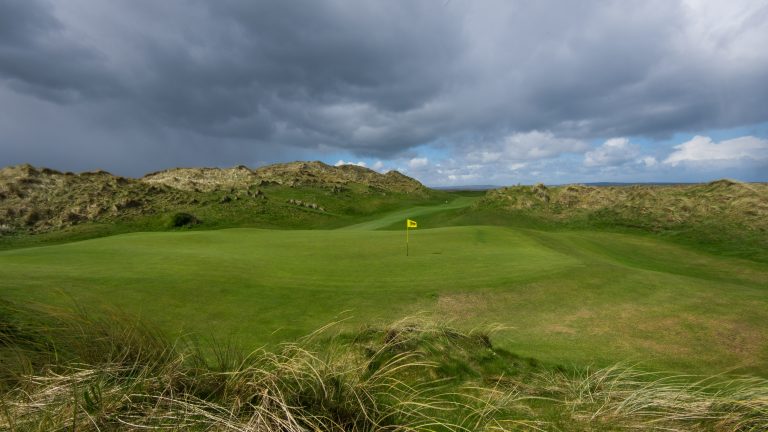
As early as the first hole you realize this is not a course to trifle with. The tee shot is downhill and doesn’t look particularly difficult. But as links courses so often are, the course is rock hard. The ball bounces wherever it likes and ends up at the edge of the rough. The rough sucks the life out of the second shot, which doesn’t quite make it to the green up on the right. A story that would repeat itself.
The new green complexes are large and well bunkered. We found the greens in good condition and, as usual, putted well past the hole before we got used to the fast links greens, quite different from the spring greens back home in Scandinavia in May.
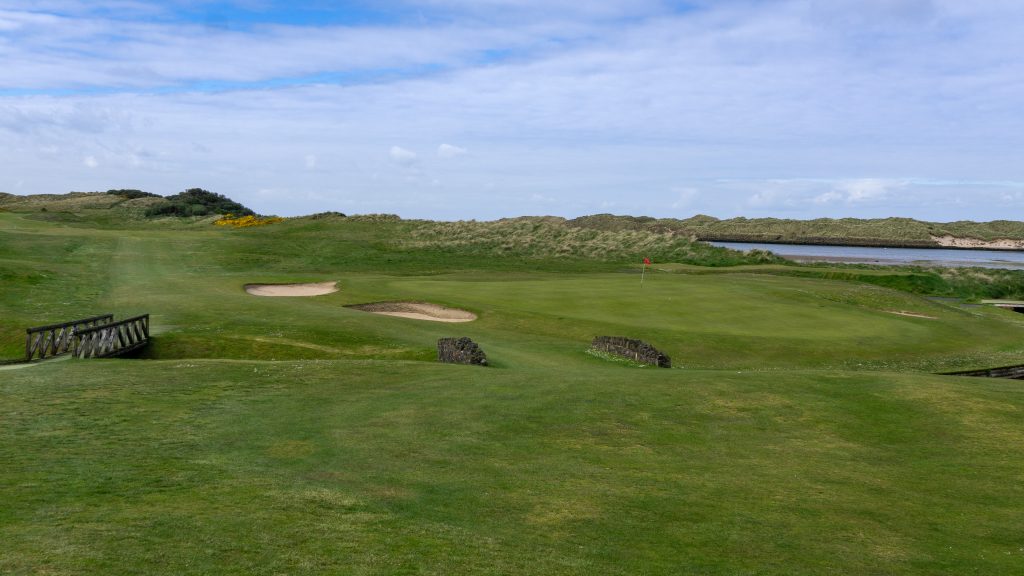
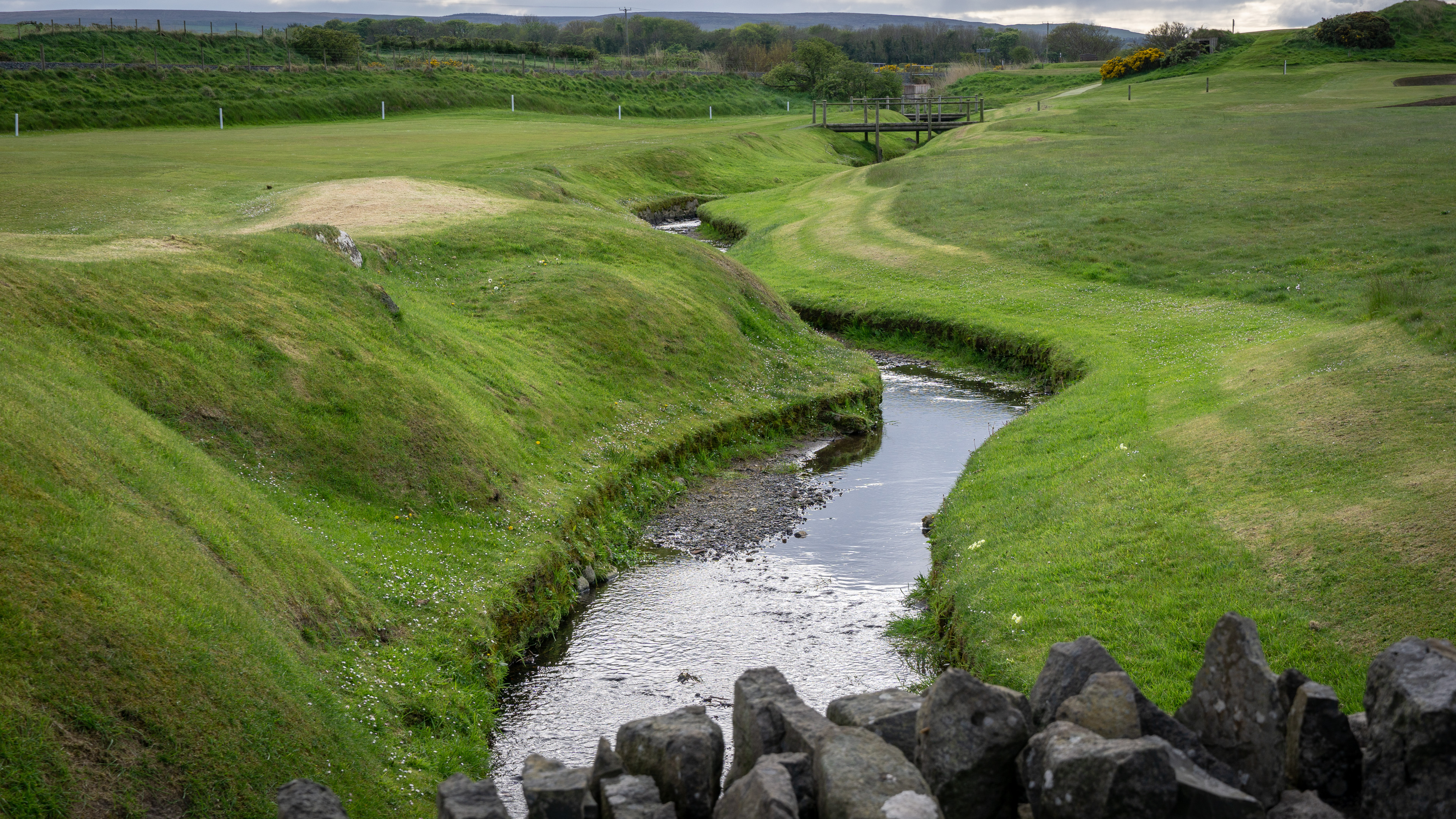
Holes three, four and five run alongside the railway. Every hole on the course has a name, such as “Railway,” “Corner” and “Summit.” The 4th, the course’s most famous hole, is called “Leg O’Mutton.” What they were thinking there I find a little hard to imagine, but it’s a fine hole. A 200-yard par 3 to an elevated green is hard enough. With the railway on the left and a burn (Irish for a stream) winding back and forth, it’s also easy to get distracted and lose concentration.
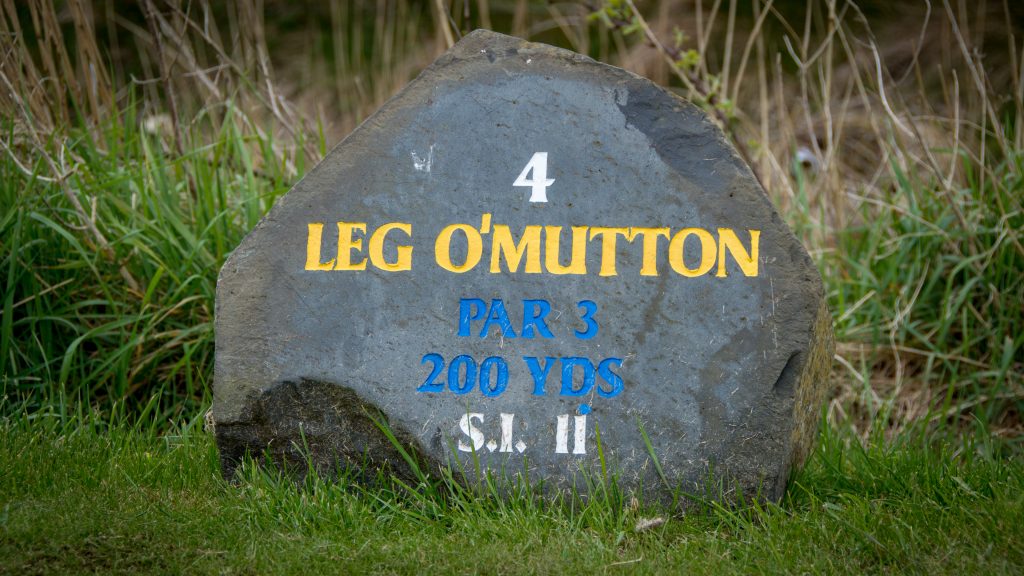
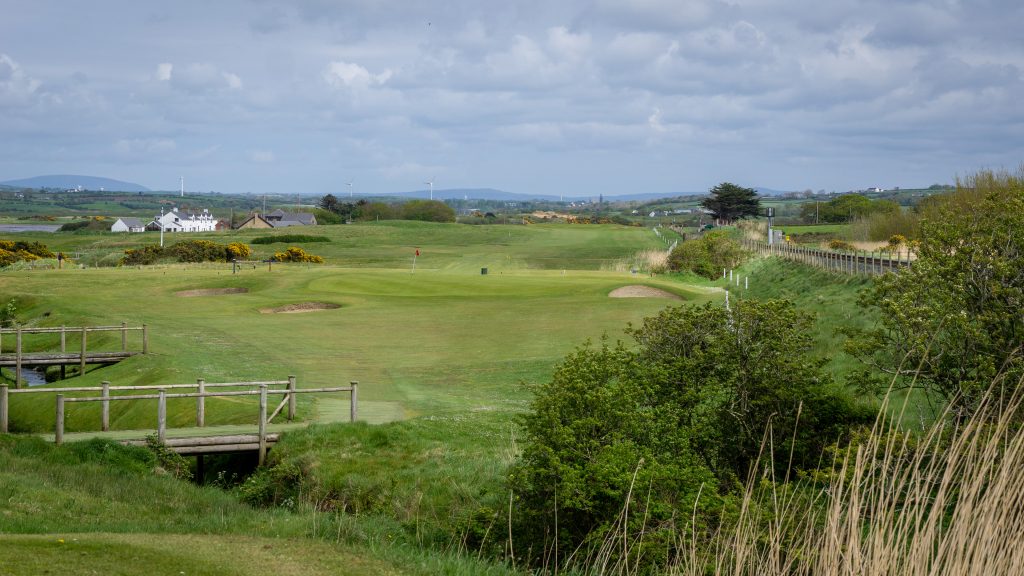
Starting with the 6th, a par 4 where the burn we saw on the 4th continues, treacherously hidden just in front of the green, the course turns for home toward the clubhouse. We don’t quite make it all the way back after the 9th, though.
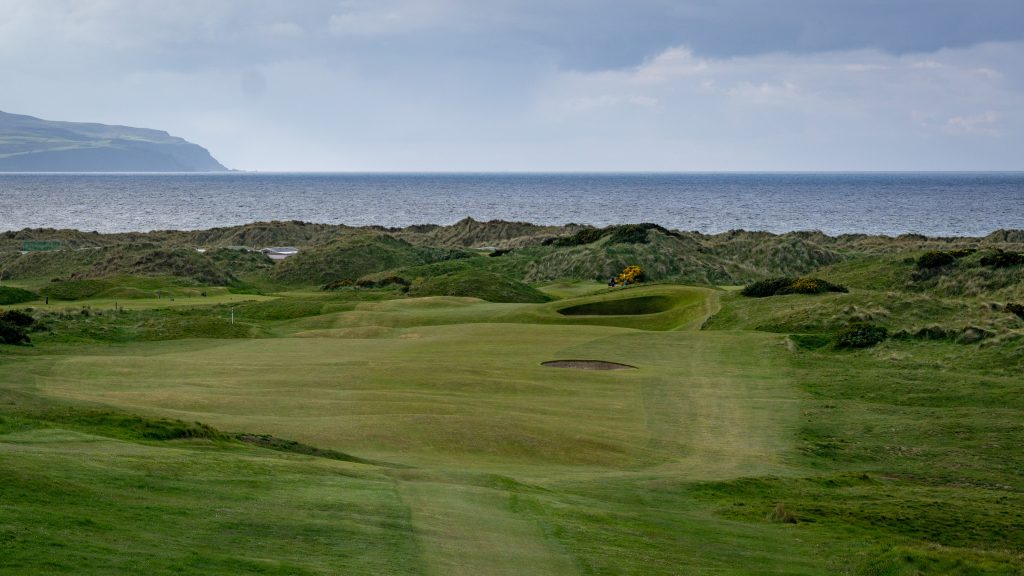
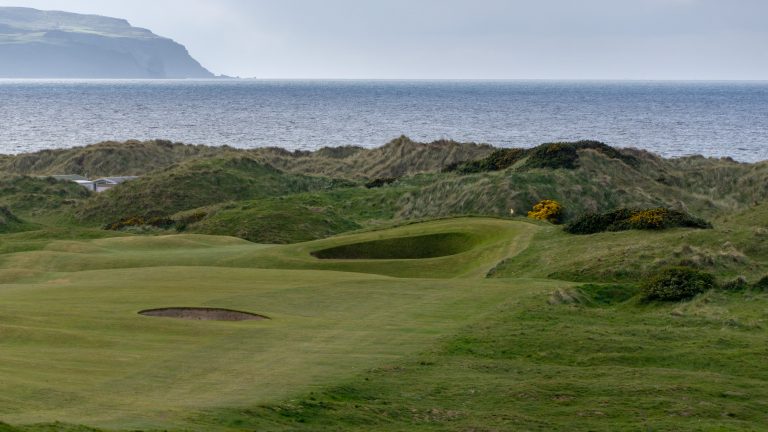
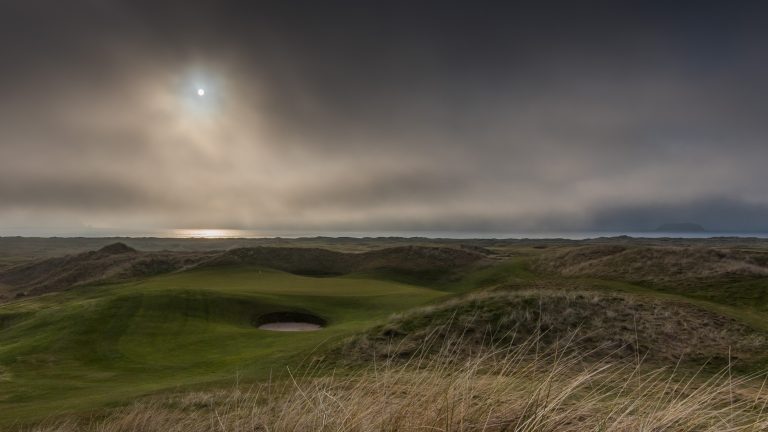
On the back nine we sometimes climb up onto quite high dunes, with fabulous views of the surroundings and the sea. After the fine par 5 “Homewards” and the short but, in the wind, tricky 16th, we reach the highest point of the course and can enjoy the views.
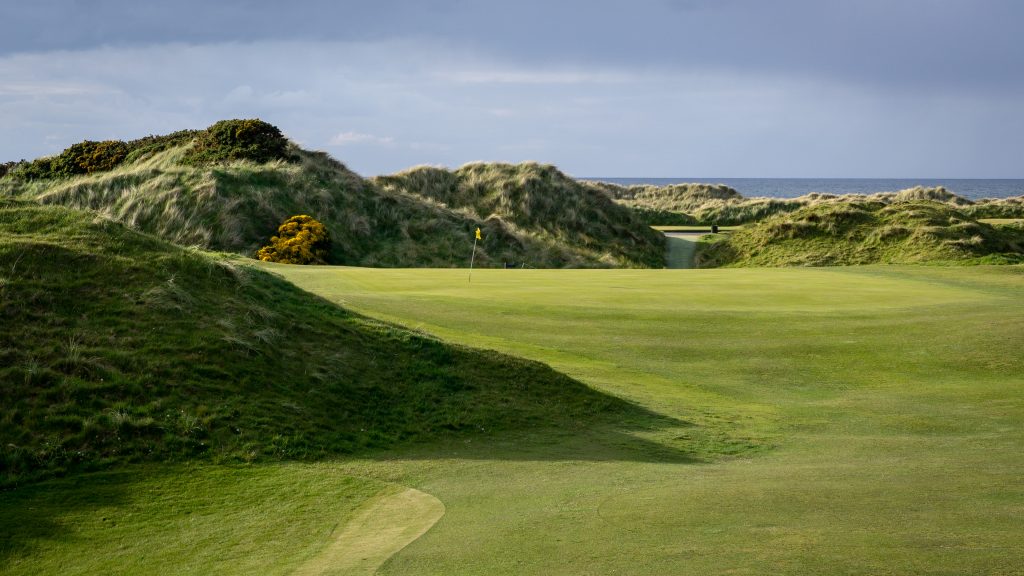
The last hole is a par 4, dogleg right. The tee shot goes downhill toward a generous landing area. The second shot is steeply uphill toward the clubhouse. I check my rangefinder. 129 meters (141 yards) to the flag, 138 meters to the big panorama window of the clubhouse restaurant. The restaurant is still full of curious guests, which doesn’t calm the nerves. Still, it all ends well, even though a lip-out robs me of a birdie, and the audience seems pleased anyway. Most pleased of all is probably me, after a wonderful day of golf.
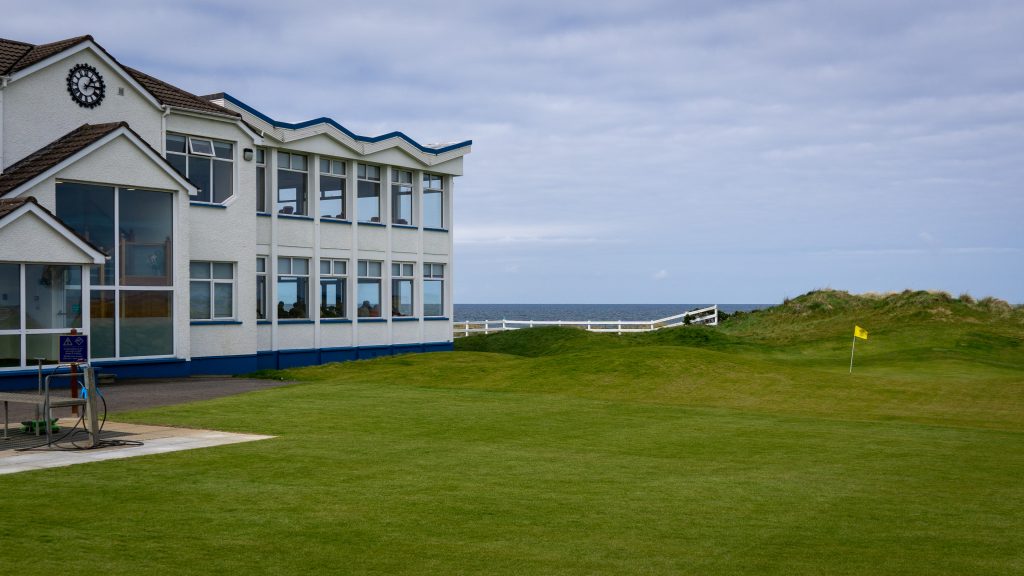
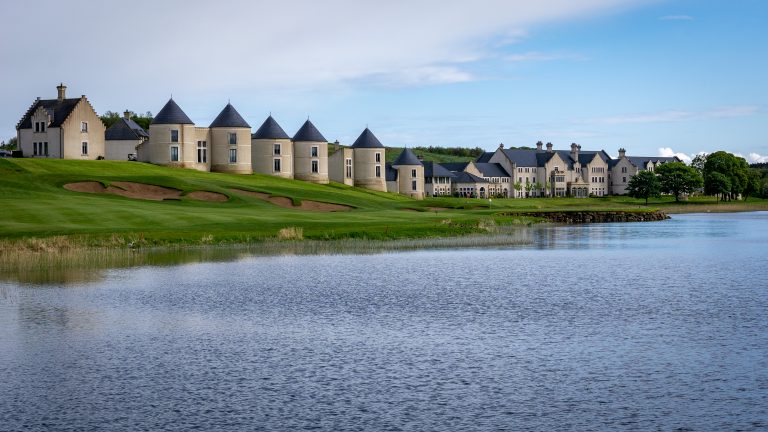
After what I consider a very well-deserved Guinness in the clubhouse bar, we head for our lodgings for the night, the Bishops Gate Hotel in Derry. Dinner exceeds our expectations by a wide margin, and as we go over our day of golf, we agree that the golf was better than expected too. We are tempted by the cheerful Irish music playing in the bar, but that will have to wait for another evening. It’s been a long day.
Alla inlägg i serien från Irland
This article by Bo Sjosten was originally published in Swedish on our sister site Golfjournalen.se. It has been translated by AI.